
Type 1 Diabetes and Mounjaro | Why Blood Sugar Management Changes When Weight Goes Down (Analysis of 3 Studies)
Hello, this is the SONGDO ANSHIN Obesity Clinic.
Type 1 diabetes is a condition in which the pancreas makes almost no insulin, so lifelong insulin injections are needed. It used to be thought of as a disease mainly seen in lean patients, but today overweight and obesity are very common among people with type 1 diabetes as well.
As weight increases, ‘insulin resistance’ develops, meaning the same dose of insulin no longer works as well in the body. Because insulin works less well, more of it is injected, and injecting more insulin in turn leads to further weight gain, creating an easy-to-fall-into vicious cycle. This cycle threatens not only blood sugar but also blood pressure, cholesterol and blood vessel health.
So, what changes when a person with type 1 diabetes who is overweight or obese loses weight?
Using 3 recently published studies, we will look at why weight loss is the ‘starting point’ of type 1 diabetes management.
|
💡[Key Summary] Key points of Mounjaro treatment in type 1 diabetes
|
Why is weight management important in type 1 diabetes?

The vicious cycle of weight gain and worsening blood sugar caused by insulin resistance is not just a matter of HbA1c numbers; it leaves damaging marks on blood vessel health as well.
According to a large study that followed about 1,000 people with type 1 diabetes over many years (DCCT/EDIC), the group that gained a lot of weight during insulin treatment continued to have abdominal obesity and insulin resistance, along with abnormal cholesterol and rising blood pressure. In particular, the thickness of the neck artery wall (carotid artery), a key marker of atherosclerosis (hardening and narrowing of the blood vessels), was found to be about 5% greater.
What about the opposite, losing weight? A reanalysis of a study in which 1,605 adults with obesity but without diabetes received Mounjaro found that blood pressure fell in proportion to the amount of weight lost. HbA1c and insulin resistance improved right away with even a small amount of weight loss, and cholesterol and triglycerides improved markedly once weight was reduced by 10% or more.
In the end, in type 1 diabetes too, ‘how reliably weight is reduced’ becomes the key to improving insulin resistance and protecting against both blood sugar problems and vascular complications. In this post, we look at the specific changes through 3 recent studies in which Mounjaro (active ingredient: tirzepatide) was used in people with type 1 diabetes.
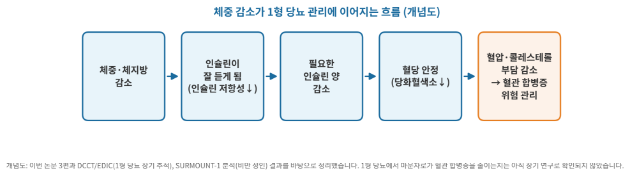
Figure 1. How weight loss leads to better type 1 diabetes management (concept diagram)
🔗 [Recommended Reading: Mounjaro Study Review Part 1]
“How much does Mounjaro actually lower HbA1c, and how well does it prevent diabetes from developing?”
If you are curious about the results of the latest large-scale metabolic study in NEJM (New England Journal of Medicine)that followed thousands of patients for years, please also check the post below!
👇Mounjaro treatment and diabetes prevention!

How were the studies done?
The three studies used different methods, so looking at them together fills in each other’s gaps.
Table 1. The three studies at a glance
|
Study |
Study design |
Participants |
Duration |
Comparison |
|
① TIRTLE1 (Australia, 2025) |
Randomized controlled trial (RCT: a highly reliable method that randomly assigns people to the drug or a placebo and compares them) |
24 adults with type 1 diabetes + BMI over 30 |
12 weeks |
Mounjaro (2.5mg for 4 weeks → 5mg for 8 weeks) vs placebo |
|
② Meta-analysis (2025) |
Pools and re-analyzes the results of several studies |
6 observational studies, 221 people with type 1 diabetes + overweight/obesity |
6–12 months |
Comparison before and after starting Mounjaro |
|
③ Kuwait real-world study (2026) |
Analysis of actual medical records |
250 people with type 1 diabetes + BMI 27 or higher |
12 months |
Mounjaro 35, semaglutide 36, liraglutide 97, standard care 82 |
Participants in study ① had an average age of 41, BMI 33.7 and HbA1c 7.3%, and were using about 69 units of insulin per day (median). 13 used an insulin pump and 11 used insulin injections.
Semaglutide in study ③ is the active ingredient of Wegovy and Ozempic, and liraglutide is the active ingredient of Saxenda.
Result 1. Body weight and body fat clearly decreased

Table 2. Change in body weight (★ statistically significant change)
|
Study |
Duration |
Weight change |
Other findings |
|
① RCT |
12 weeks |
8.7kg (8.8%) more than placebo ★ |
Body fat down 7.2kg (82% of weight lost), daily calorie intake down about 430kcal |
|
② Meta-analysis |
6 / 8–9 / 12 months |
−10.4% / −13.2% / −15.7% ★ |
Weight still decreasing at 12 months |
|
③ Kuwait |
12 months |
Mounjaro −10.9% ★ |
Semaglutide −9.9%, liraglutide −7.1%, no change with standard care |
-
In study ①, which compared directly with placebo, people on Mounjaro lost 8.7kg more than placebo in just 12 weeks. 100% of the Mounjaro group lost 5% or more of their weight versus 9% of the placebo group, and 45% lost 10% or more (placebo 0%).
-
Of the weight lost, 82% was fat. Lean mass such as muscle showed no meaningful difference from placebo.
-
Results from 1 year of use in actual practice point in the same direction. In meta-analysis ②, body weight decreased by 15.7%in 1 year, and in Kuwait study ③ by 10.9% . In study ③, Mounjaro reduced weight slightly more than semaglutide (−9.9%) and liraglutide (−7.1%), and higher doses led to greater reductions.
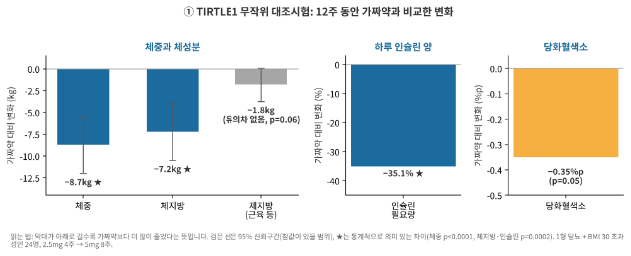
Figure 2. 12-week results of the TIRTLE1 randomized controlled trial
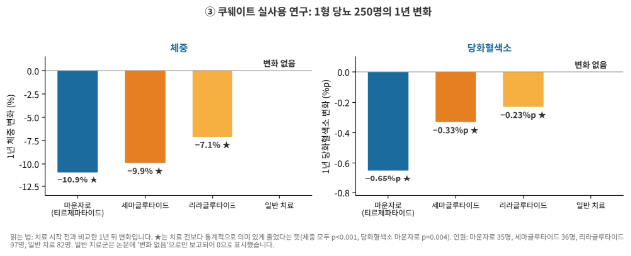
Figure 3. 1-year results of the Kuwait real-world study
|
💡Key point In 1 year, body weight dropped by more than 10% . This exceeds the level (10%) at which cholesterol and triglycerides began to clearly improve in studies of adults with obesity, and most of the weight lost is fat. |
Result 2. Insulin went down and blood sugar improved

Table 3. Changes in insulin dose and blood sugar
|
Study |
Daily insulin dose |
HbA1c |
Time in target glucose range |
|
① RCT (12 weeks) |
−35.1% vs placebo ★ (about 24 units less per day) |
−0.35 percentage points vs placebo (p=0.05) |
Not reported |
|
② Meta-analysis |
12 months −36.2% ★ |
12 months −0.58 percentage points ★ |
6 months +12.6 percentage points ★ |
|
③ Kuwait (12 months) |
Not reported in abstract |
Mounjaro −0.65 percentage points ★ (semaglutide −0.33, liraglutide −0.23) |
Not reported |
-
The most striking change is the insulin dose. In study ①, the Mounjaro group used 35% less insulin per day than placebo, and insulin pump users reduced it by 42% compared with placebo in just 6 weeks. In meta-analysis ② as well, after 1 year the daily insulin dose 36% decreased.
-
Even though insulin was cut by more than one-third, blood sugar actually improved. HbA1c went down by 0.35–0.65 percentage points, and the ‘time blood sugar stays within the target range (70–180mg/dL)’ measured by continuous glucose monitoring increased at 6 months by 12.6%p . That is equivalent to staying in the target range about 3 more hours out of every 24.
-
This means the same insulin started working better, raising the possibility that insulin resistance improved along with weight loss.
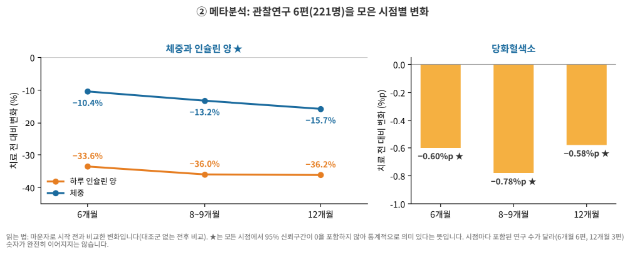
Figure 4. Changes over time in the meta-analysis
|
💡Key point This blood sugar improvement came not from injecting more insulin, but from actually using less . When weight comes down, insulin works better, and when insulin works better, blood sugar becomes stable. |
Summary at a glance
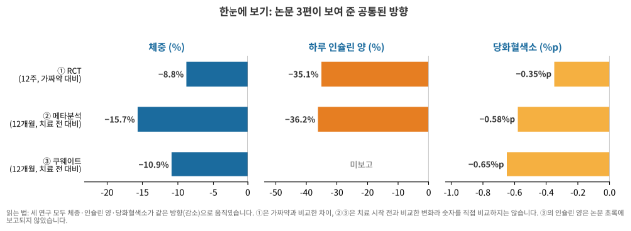
Figure 5. Comparison of key results from the 3 studies
Table 4. Summary (② and ③ are changes from before treatment)
|
Item |
① RCT (12 weeks) |
② Meta-analysis (1 year) |
③ Kuwait (1 year) |
|
Body weight |
−8.8% (vs placebo) |
−15.7% |
−10.9% |
|
Body fat |
−7.2kg (82% of weight lost) |
Not reported |
Not reported |
|
Daily insulin dose |
−35.1% |
−36.2% |
Not reported |
|
HbA1c |
−0.35%p |
−0.58%p |
−0.65%p |
|
Severe hypoglycemia |
0 cases |
5 cases reported among 221 people |
0 cases |
|
Diabetic ketoacidosis |
0 cases |
0 cases |
0 cases |
Side effects, safety and precautions in type 1 diabetes

-
Severe hypoglycemia and diabetic ketoacidosis(an emergency in which the blood becomes acidic due to a lack of insulin) did not occur even once in studies ① and ③. In meta-analysis ②, there was also no ketoacidosis among the 221 people, but 17 episodes of hypoglycemia (5 of them severe) were reported.
-
Gastrointestinal symptoms are common side effects of Mounjaro. In one study included in the meta-analysis, nausea, decreased appetite and heartburn occurred in 3.9–13.7% of people. They mainly appear when starting the drug or increasing the dose.
|
💡The most important caution in type 1 diabetes: Insulin adjustments must always be made together with a specialist. After starting Mounjaro, food intake decreases and insulin works better, so continuing your previous insulin dose can cause hypoglycemia. On the other hand, cutting insulin too much creates a risk of ketoacidosis. In type 1 diabetes, basal insulin must never be stopped. In the studies, insulin requirements started to fall from around 2 weeks after starting. The first one to two months are when the most careful adjustment is needed, so insulin must be adjusted step by step while monitoring blood sugar together with a specialist. |
Significance and limitations of these studies
✅ Significance
-
A randomized controlled trial (①) directly comparing Mounjaro with placebo in type 1 diabetes has, for the first time, confirmed reductions in body weight, body fat and insulin.
-
Results from 1 year of use in actual practice (② and ③) pointed in the same direction. The results are consistent even across different study methods and countries.
-
The 1-year weight loss (11–16%) exceeds the threshold (10%) at which improvements in cholesterol and triglycerides became clear in studies of adults with obesity.
✅ Limitations
-
Study ① is small and short, with 24 people over 12 weeks.
-
Studies ② and ③ are observational. Study ② in particular compared before and after treatment without a control group.
-
These 3 studies did not directly measure changes in blood pressure or cholesterol, or reductions in complications, in people with type 1 diabetes using Mounjaro. Blood pressure and cholesterol are expected to be assessed in a large phase 3 trial currently underway (about 49 weeks), and longer studies are needed to see whether complications decrease.
-
Currently in Korea, blood sugar control in type 1 diabetes is not included in Mounjaro’s approved indications. Whether to use it is decided carefully by a specialist who considers both the degree of obesity and the insulin status.
Closing
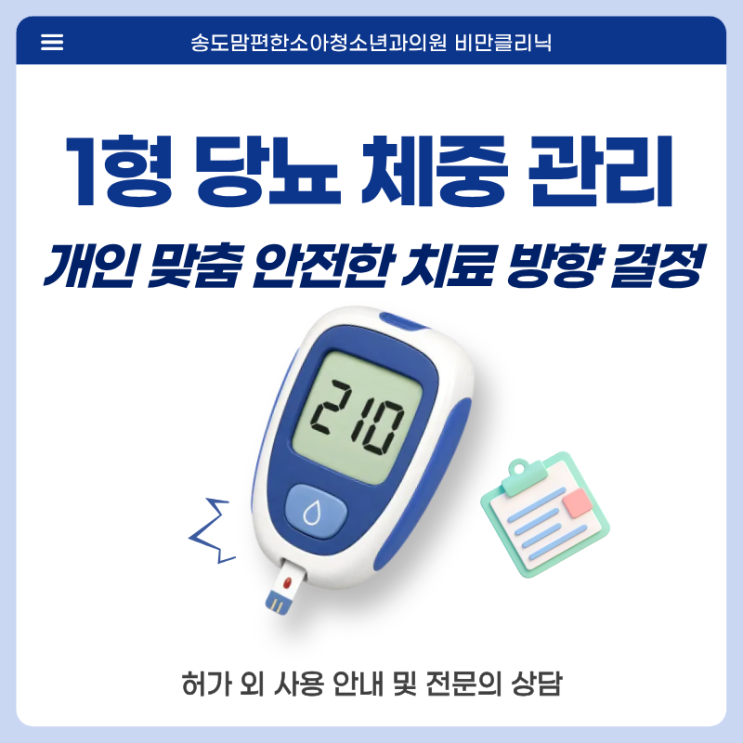
Type 1 diabetes is a disease in which insulin is essential. But when weight increases, that insulin works less well, and the burden builds up on blood pressure, cholesterol and blood vessels.
The key message of the 3 studies we reviewed is clear. Even in type 1 diabetes, reducing weight with Mounjaro (11–16% in 1 year, mostly fat) lowers the insulin needed by about one-third while improving both HbA1c and blood sugar stability.
Weight needs to come down for insulin to work well, insulin needs to work well for blood sugar to be stable, and blood sugar, blood pressure and cholesterol need to be stable to lower the risk of complications. In type 1 diabetes, weight management is not optional; it is the starting point of successful blood sugar management.
However, when using Mounjaro in type 1 diabetes, how much and in what order insulin is reduced is the key to safety.
Also, because this is currently off-label use, rather than making a hasty decision, we recommend visiting us, having a thorough consultation with a specialist, and deciding on a safe treatment plan suited to your individual condition. If you have concerns about weight management with type 1 diabetes, please feel free to contact us at any time.
📝 References
1. Snaith JR, et al. Tirzepatide in Adults With Type 1 Diabetes: A Phase 2 Randomized Placebo-Controlled Clinical Trial. Diabetes Care. 2026;49(1):161–170 (online November 2025). doi:10.2337/dc25-2379
2. Dutta D, Kamrul-Hasan ABM, Mohindra R, Raizada N. Impact of 1-Year Tirzepatide Use on Glycemic and Metabolic Profile in Overweight to Obese People with Type 1 Diabetes: A Systematic Review and Meta-Analysis. Diabetes Technol Obes Med. 2025;1(1):289–298. doi:10.1089/dtom.2025.0048
3. Al Ozairi E, Irshad M, Alkandari J, Sojan L, Alroudhan D, Alotaibi N, le Roux CW. Weight loss in people with type 1 diabetes over 12 months: Real-world data comparing tirzepatide, semaglutide and liraglutide. Diabetes Obes Metab. 2026;28(1):166–173.
📖 Background references
• Purnell JQ, et al. The effect of excess weight gain with intensive diabetes mellitus treatment on cardiovascular disease risk factors and atherosclerosis in type 1 diabetes mellitus: results from the DCCT/EDIC study. Circulation. 2013;127(2):180–187.
• Linetzky B, et al. Improvements in cardiometabolic risk factors by weight reduction: a post hoc analysis of adults with obesity randomly assigned to tirzepatide. Ann Intern Med. 2025;178(8):1095–1105.
SONGDO ANSHIN
※ This post explains academic papers in plain language for the general public and does not replace medical advice.
