Childhood Obesity in Elementary Schoolers: How Should We Manage Our Child’s Diet? (Core Principles from an Expert)

Hello! Located in Songdo District 8, this is the SONGDO ANSHIN Growth Clinic.
Recently in our clinic, alongside concerns about growth, one thing parents ask about just as often is childhood obesity. To support your child’s healthy growth, we’ve summarized the key points from an expert’s perspective: how to check your child’s current status and how to manage it at home.
Childhood Obesity Key Summary: Check This Right Now!

Childhood obesity is not simply weight gain. It is a signal about ‘metabolic health.’ ① Check your child’s status: Check the BMI percentile by age and sex (95 or above requires professional management). ② The most important habit: Set a ‘no late-night snacking’ window after 8 p.m. and have the whole family follow it. ③ Diet: Rather than extreme calorie restriction, simply cutting out sugary drinks and stretching mealtimes to 20 minutes can start a big change.
Criteria for Assessing Childhood Obesity by Age (BMI Percentile)

Many parents simply look at the number on the scale, but since children are still growing, it is accurate to check against the weight-for-height (BMI) percentile.
|
Category |
BMI Percentile Range |
Status |
|
Normal |
Below the 85th percentile |
Normal weight |
|
Overweight |
85th percentile or above to below the 95th percentile |
Attention needed |
|
Obese |
95th percentile or above |
Professional management needed |
<Source: Based on the Korea Disease Control and Prevention Agency child and adolescent growth charts>
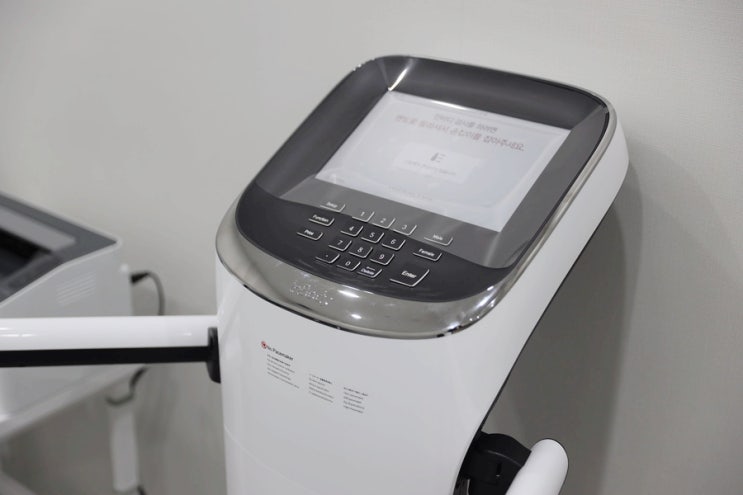
Songdo childhood obesity screening, SONGDO ANSHIN InBody 970S
The Director’s Expert Tip

SONGDO ANSHIN, Pediatric Specialist, Director Dr. An Sehwan
When I analyzed 100 obese children I met in the clinic, one powerful common factor stood out. It was the ‘snacking pattern after dinner.’
Looking at children’s diets, even when they manage their meals well during the day, after 8 p.m. the ‘small snacks’ eaten while watching television or doing homework often accumulated and became a cause of obesity.
Rather than simply saying “eat less,” try having the whole family keep ‘a time after 8 p.m. when you have nothing but water.’ Every month in the clinic, I see this one small habit alone turn children’s weight-change graphs in a positive direction.

SONGDO ANSHIN Growth, Obesity Clinic FAQ

SONGDO ANSHIN Annex Growth, Obesity Clinic
Q1. Children are still growing. Does dieting interfere with getting taller?
A: Unconditional calorie restriction can actually hinder growth. Get enough of the protein and essential minerals that growth requires, but cut back on sugars and refined carbohydrates. That kind of ‘high-quality diet’ is the key. In particular, getting enough protein (1.2 g or more per 1 kg of body weight) is what prevents muscle loss and lets a child grow taller in a healthy way.
Q2. At what level of obesity should we visit the clinic?
A: We recommend a consultation when the BMI percentile is 95 or above, or when weight has risen sharply over the past 6 months and appears to be affecting growth.
Q3. How much exercise should a child do per day?
A: The ideal is aerobic exercise that leaves the child slightly out of breath (jump rope, running, etc.), at least 3 times a week for about 40 minutes each session.
Worried about your child’s growth?

If you’d like an accurate body-composition analysis and growth prediction for your child, please contact SONGDO ANSHIN anytime. We will care for your children wholeheartedly for their healthy growth.
🏥 Location: 2F, Landmark City Central The Sharp Officetel retail, 68 Landmark-ro, Yeonsu-gu, Incheon
📞 Inquiries: 032-851-1365
📆 Reservations: KakaoTalk channel [SONGDO ANSHIN] or reserve by phone
🎈 Related posts worth reading
▽ When to test for precocious puberty and a precocious puberty checklist
▽ Songdo Growth Clinic adolescent obesity treatment, Wegovy