
Check Adult Hand-Foot-Mouth Disease Symptoms and Treat It Early

Hand-foot-mouth disease usually develops in young children rather than in adults, but when a child who attends daycare, school, or a similar setting catches hand-foot-mouth disease, it is common for the parents to naturally catch it as well. In the early stage of the illness, it begins with symptoms of stomatitis inside the mouth, so many people simply assume it is a symptom caused by accumulated fatigue and miss the chance for treatment.
As a result, the symptoms grow more severe and begin to interfere with daily life. For this reason, while caring for the child is important for parents who have young children, they must also properly understand the symptoms of adult hand-foot-mouth disease and receive timely treatment .

What kind of disease is hand-foot-mouth disease
This disease usually occurs in infants and toddlers, but it can sometimes be seen in adults or school-age children as well. Typically, starting in April when the weather gradually grows warmer, various viruses become active and the incidence rate rises. This is mainly caused by direct contact, and it is transmitted easily in places with many people, such as playgrounds, hospitals, daycare centers, and kindergartens.
In this case, the main pathogens that cause hand-foot-mouth disease include Coxsackievirus A16, a type of enterovirus, and Enterovirus 71, and infection begins through saliva, nasal discharge, and the like. When a child catches it, the parent becomes infected directly through nursing the child, physical contact, and similar interactions.
As a result, the symptoms of adult hand-foot-mouth disease gradually begin to appear.

What are the symptoms of adult hand-foot-mouth disease
With hand-foot-mouth disease, symptoms do not appear immediately upon infection; rather, it has an incubation period of about 3 to 7 days. After that, common cold-like symptoms begin, and during this period many people feel it is merely a dip in their condition and leave it unattended.
After the incubation period ends, vesicular rashes form on the hands, feet, and inside the mouth, accompanied by a sore throat and even fever. At this time, the blisters cause pain even when eating, and the hands and feet feel itchy and stinging.
Sometimes, in adults whose symptoms were severe, white spots begin to form on the nails, and afterward the problem of nails falling off may even occur.
Is there a treatment method for the symptoms of adult hand-foot-mouth disease
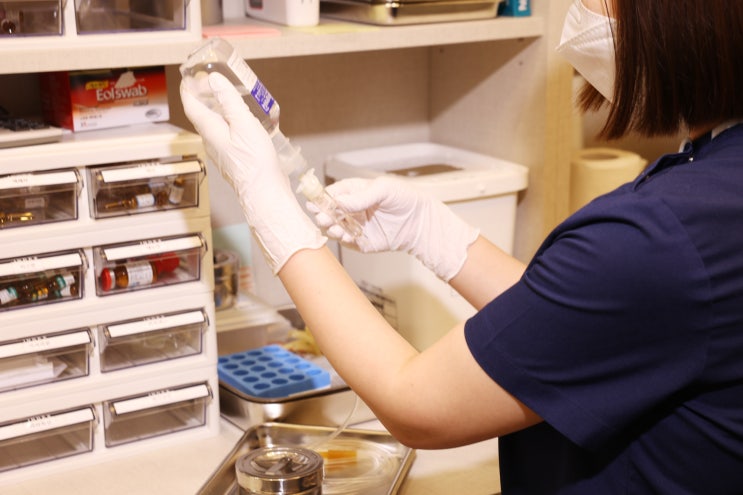
Hand-foot-mouth disease can recover naturally after about 7 to 10 days. However, when the blister symptoms inside the mouth are severe, it becomes difficult to eat food properly and dehydration symptoms may occur, so fluid therapy is sometimes administered .
Since there is no clear-cut treatment method like this, prevention is the most important treatment, one could say.
You should wash your hands frequently and thoroughly as a matter of routine, and the items the child uses should be disinfected and stored. Also, after symptoms of adult hand-foot-mouth disease appear, you should refrain from entering public places without a doctor’s confirmation of full recovery.
This is because the disease itself has strong contagiousness.
Therefore, please maintain thorough hygiene management in your daily life, and if any related abnormal symptoms appear, visit a medical institution immediately to receive treatment.