
Summer Air-Conditioning Sickness vs Gastroenteritis: Telling Vomiting and Diarrhea Symptoms Apart and Emergency Care (SONGDO ANSHIN)

Hello! This is SONGDO ANSHIN, located in Songdo District 8.
Summer, when both temperature and humidity climb, is a season when children’s immune systems are shaken more easily than usual.
In particular, the indoor–outdoor temperature gap created by air conditioners running all day, together with food-hygiene problems caused by the high heat, are leading reasons children’s health becomes weaker.
Today, as a pediatric specialist, I will clearly walk you through the differences between childhood air-conditioning sickness and infant gastroenteritis, the two conditions we have been seeing most often in our clinic recently, along with practical steps parents can take right at home.
|
💡 Key summary: 3 essentials for managing your child’s health in summer 1️⃣ Preventing air-conditioning sickness Keep the indoor–outdoor temperature difference within 5 degrees. Make sure the cold air from the air conditioner does not blow directly onto the skin, and be sure to ventilate the room regularly every 2 hours. 2️⃣ Fluid management for gastroenteritis When vomiting and diarrhea keep recurring, the most important thing is ‘preventing dehydration.’ It is best to give lukewarm water or an oral rehydration solution a little at a time, frequently, by the teaspoon. 3️⃣ Specialist care If parents give antidiarrheal medicine on their own, the discharge of toxins from the intestines can be blocked, which may actually become dangerous. If high fever or projectile vomiting persists, you should visit the pediatric clinic without delay. |
Summer air-conditioning sickness in children: how is it different from a common cold?

The air-conditioner breeze you turn on to beat the heat can become the main culprit threatening children’s respiratory health.
When the gap between indoor and outdoor temperatures widens beyond 5℃, it overloads the autonomic nervous system of children, whose ability to regulate body temperature is still immature. This brings on ‘air-conditioning sickness’: a runny nose, sneezing, headache, and a slight fever, with the child becoming listless and drained.
💡 Prevention rules for air-conditioning sickness recommended by our specialist
-
Maintain a proper temperature : Keep the indoor temperature at 24–26℃, and set it so the gap with the outside does not exceed 5℃.
-
Ventilate regularly : Rather than running the air conditioner continuously, open the windows every 2–3 hours and exchange the air for at least 10 minutes so the respiratory mucous membranes do not dry out.
-
Block direct drafts : A child’s ability to regulate body temperature drops even further while sleeping. Dress the child in thin long sleeves or use a blanket that covers the tummy so the cold air does not touch them directly.

Childhood summer gastroenteritis: ‘preventing dehydration’ comes first
Hot, humid summer weather creates very favorable conditions for viruses and bacteria to multiply. As a result, cases of childhood gastroenteritis caught through spoiled food or contaminated hands rise sharply.
If your child suddenly shows a high fever, projectile vomiting, watery diarrhea, or abdominal pain after eating, you should bring them to the pediatric clinic without delay for an accurate examination.
💡 Emergency response when infant gastroenteritis occurs
-
Rehydration rules: The point to watch most closely in managing gastroenteritis is ‘dehydration.’ When a child keeps vomiting and has diarrhea, drinking a large amount of water at once can make them throw it right back up, so give lukewarm water or an oral rehydration solution frequently, a little at a time, as if moistening the mouth, by the teaspoon.
-
Refrain from taking medicine on your own: If you give over-the-counter antidiarrheals on your own to stop the diarrhea, the toxins and bacteria in the intestines cannot be expelled and the condition can worsen further. You must give medicine only as prescribed by a pediatric specialist.

SONGDO ANSHIN’s summer care guide
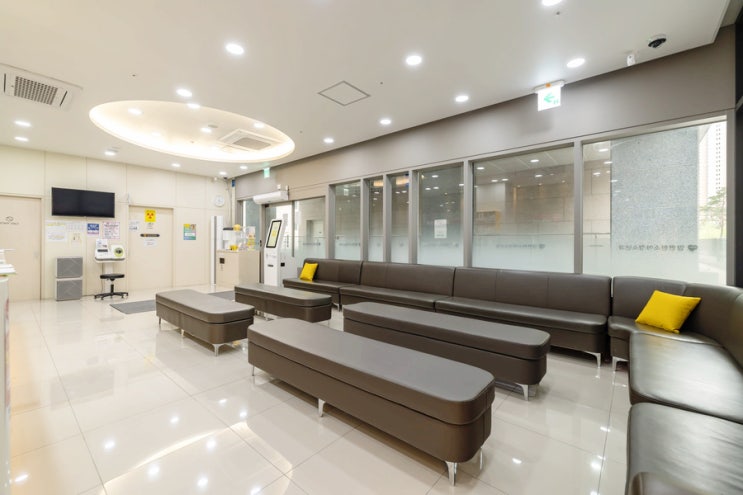
The main-building waiting room of SONGDO ANSHIN
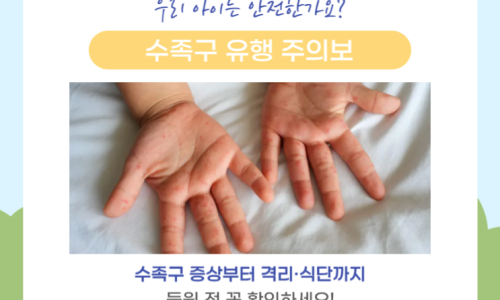
Recently, in addition to air-conditioning sickness and gastroenteritis, there has been a sharp rise in young patients with ‘hand, foot and mouth disease,’ which spreads through group settings such as kindergartens and daycare centers. If unexplained blisters or a high fever appear on your child’s body, it is safer not to dismiss it as a simple cold but to have their condition checked promptly.
SONGDO ANSHIN goes beyond simply treating symptoms; we provide careful care so that your child can maintain their immunity and grow up healthily through the changing seasons.
If you have any questions about your child’s changing summer eating habits, frequent tummy aches, or overall development, please feel free to visit us anytime.

💡 Related information worth reading together
An infectious disease whose hygiene management is just as important as summer gastroenteritis is ‘hand, foot and mouth disease.’
Its early symptoms resemble a throat cold, so it can be hard to tell apart.
If blisters have started to appear inside your child’s mouth or on their hands and feet,
Check the post below in advance for everything from the incubation period to isolation criteria and getting a certificate of full recovery.
👇 [Mistaking Early Hand, Foot and Mouth Disease Symptoms for a Cold? A Complete Guide to the Incubation Period, Isolation Period, Return-to-School Criteria, and Recovery Certificate]
🩺 [SONGDO ANSHIN Care Information]
-
Consultation hours
· Weekdays: 09:00 – 20:00 (evening care available)
· Saturday: 09:00 – 14:00 (seen without a lunch break)
· Sunday, Public holidays: 10:00 – 14:00 (seen without a lunch break)
-
Consultation and booking: 032-851-1365
-
Directions: 2F, Commercial Bldg 203, Landmark City Central The Sharp Officetel, 68 Landmark-ro, Yeonsu-gu, Incheon
