
Did you know that food intolerance is more common than lactose intolerance? Find out with a test

When many people feel discomfort after consuming milk or dairy products, they think of lactose intolerance.
In fact, it’s a familiar concept: about 75% of Koreans are known to have difficulty digesting lactose.
But have you ever repeatedly experienced indigestion, headaches, or skin troubles after eating various foods other than dairy products?
It may be due to food intolerance , which is even more common than lactose intolerance and can cause a variety of symptoms.
If uncomfortable symptoms keep coming back for you alone, even though you ate the same foods as others, it may be more than a simple digestive issue. Your individual immune response and whether you have a food intolerance are worth examining.
Today, we’ll introduce in detail food intolerance, a concept distinct from lactose intolerance, food intolerance and the IgG4 Food 90-item Food Intolerance Test that can help identify its cause.
What is food intolerance?
food intolerance Food intolerance refers to a condition in which certain foods are not properly digested in the body, or the immune system recognizes their components as foreign invaders and triggers a delayed immune response.
Unlike food allergies (IgE), which show an immediate reaction ,this is characterized by symptoms appearing several hours to several days later
.
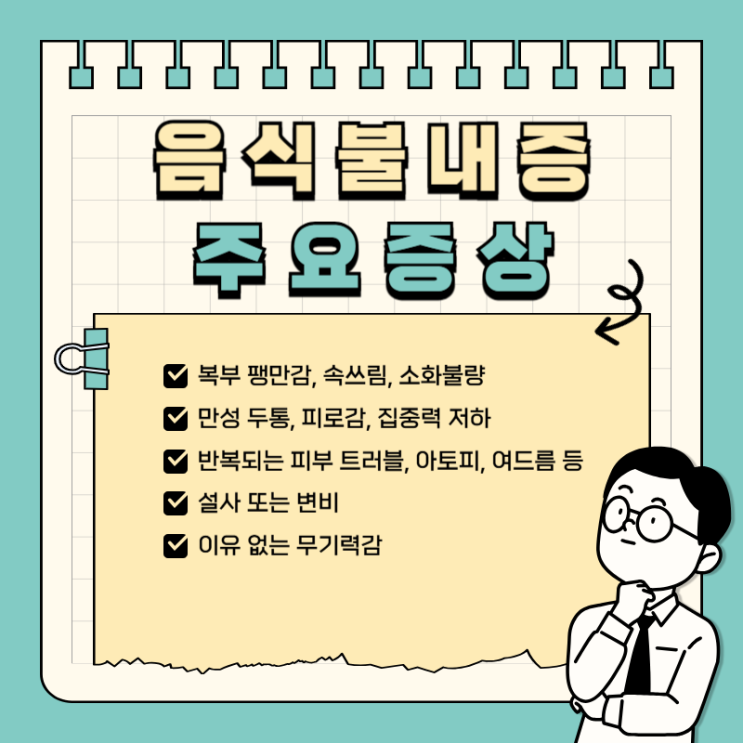
Main symptoms of food intolerance
• Bloating, heartburn, indigestion
• Chronic headaches, fatigue, reduced concentration
• Recurring skin troubles (atopic dermatitis, acne, etc.)
• Diarrhea or constipation
👉 food intolerance• Unexplained lethargy
Because symptoms do not appear immediately, the cause is hard to identify, and
it can persist chronically, causing discomfort in daily life.
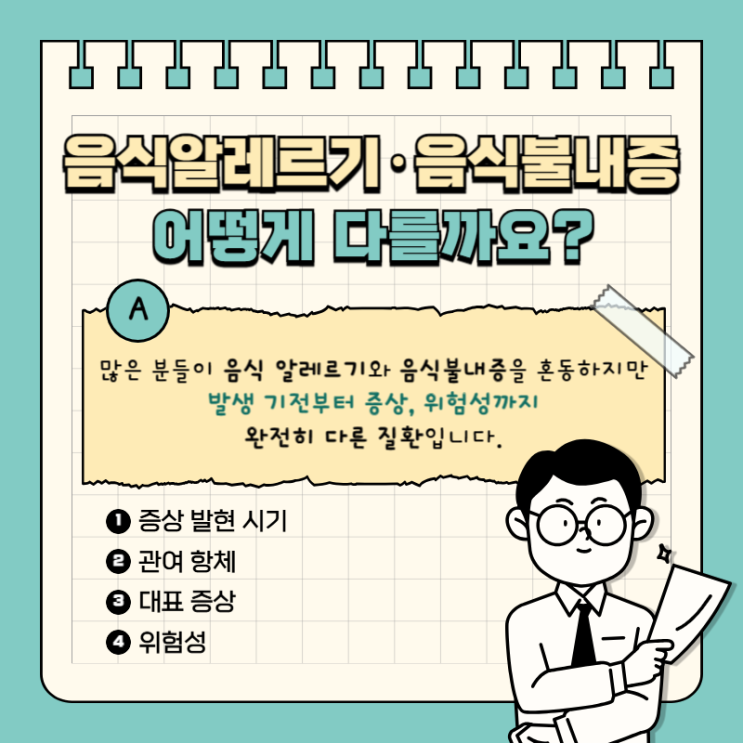
|
How do food allergies and food intolerance differ? |
Category |
Food intolerance (IgG4) |
|
Food allergy (IgE) |
Symptom onset |
Several hours to several days later |
|
Immediate, within minutes |
lgG4 |
lgE |
|
Antibody involved |
Typical symptoms |
Indigestion, fatigue, skin troubles |
|
Acute reactions such as itching, hives, difficulty breathing |
Risk |
Risk of becoming chronic (low life threat) |
Possibility of needing emergency response Food allergies are immediate reactions that can be life-threatening, so emergency treatment
food intolerance is often needed, whereas for food intolerance, and ongoing symptom control and dietary management
are key.
What is the IgG4 Food 90-item Food Intolerance Test? At Songdo Pediatrics, we analyze IgG4 antibody reactions in the blood to identify which foods trigger a delayed-type immune response, using the food intolerance test.
that we perform. By analyzing antibody reactions to a total of 90 food groups,
it can help find the cause of recurring discomfort symptoms and assist with dietary adjustment.

• Examples of food groups tested (90 total) Dairy
• : milk, cheese, yogurt Grains
• : wheat, barley, oats, rice Nuts
• : almonds, peanuts, walnuts Seafood
• : salmon, shrimp, crab Meats
• : beef, pork, chicken Fruits/vegetables
🔍 : apple, banana, tomato, broccoli, cabbage, carrot, etc.
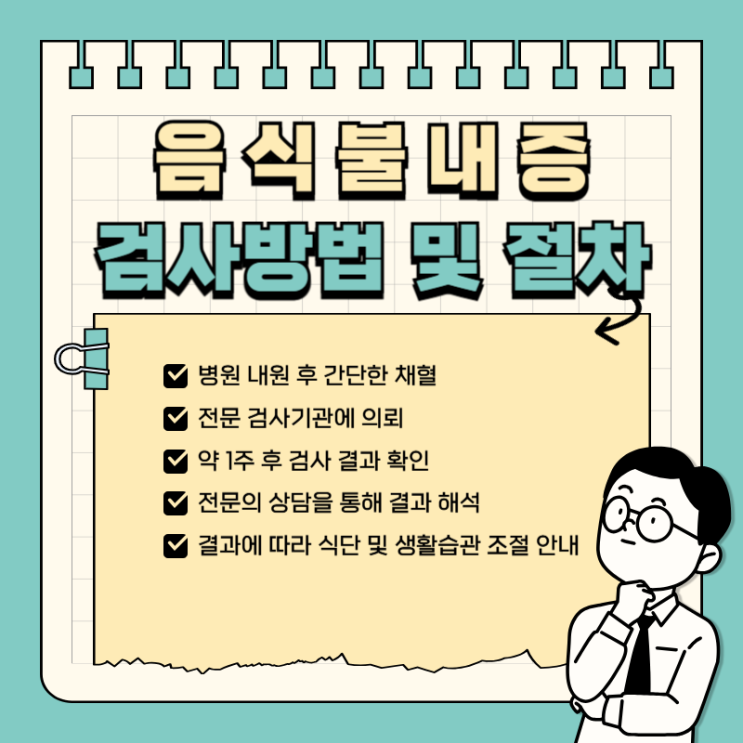
🔍 Food intolerance test method and procedure
Example of the dietary guide provided with test results
Test results are classified as follows according to the degree of antibody reaction. • Low-reactivity foods
• : can be consumed routinely Moderate-reactivity foods
• : recommended to limit intake to once or twice a week or less High-reactivity foods
: recommended to avoid for at least 12 weeks : recommended to limit intake to once or twice a week or less 👉 For these, a rotation diet (avoiding them for a set period and then reintroducing them in small amounts) is recommended, as it helps restore gut immune balance.
.
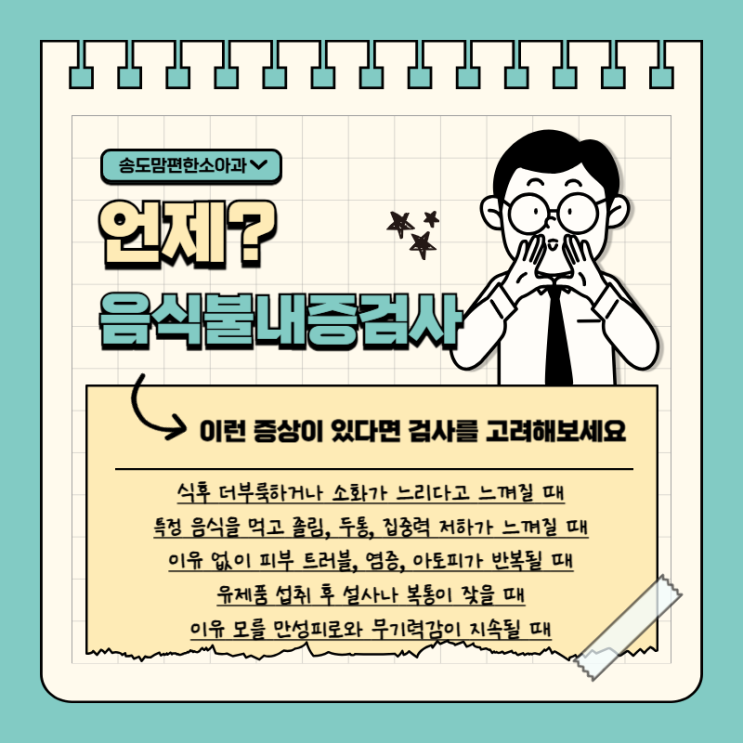
If you have these symptoms, consider a food intolerance test!
• When you feel bloated or feel digestion is slow after eating
• When you feel drowsy, get headaches, or have reduced concentration after eating certain foods
• When skin troubles, inflammation, or atopic dermatitis recur for no apparent reason
• When you frequently have diarrhea or abdominal pain after consuming dairy
• When unexplained chronic fatigue and lethargy persist
lactose intolerance is often needed, Lactose intolerance is also a form of food intolerance. It occurs due to a deficiency of the lactase enzyme, resulting in an inability to break down lactose, and is the best-known example of food intolerance.
In Asia in particular, the prevalence of lactose intolerance is high, so if you frequently experience bloating, diarrhea, or indigestion after consuming dairy, it’s a good idea to check whether this applies to you.
The impact of food intolerance on health

food intolerance Food intolerance is not limited to gastrointestinal problems.
If it persists for a long time, it can burden various organs in our body.
• As the intestinal wall weakens, food components are absorbed into the blood, and inflammatory reactions can occur throughout the body.
• As a result, systemic symptoms such as skin troubles, joint pain, chronic fatigue, and reduced concentration may appear.
• Also, since the gut and brain are connected, when gut health deteriorates, symptoms such as mood changes, headaches, and irritability may also arise.
👉 In this way, food intolerance is not a simple digestive problem but may be an important signal affecting your overall condition and immune balance. Therefore, it’s important to identify foods that don’t suit your body through accurate testing and manage them accordingly.
Food intolerance testing is available at SONGDO ANSHIN!
At SONGDO ANSHIN, IgG4 Food 90-item Food Intolerance Test through this test, we help children as well as their guardians accurately identify foods that don’t suit their bodies.
Test results are explained in detail through consultation with a specialist, and this can be a great help for those suffering from chronic digestive symptoms, skin troubles, or unexplained fatigue, among other discomforts.
If your symptoms keep recurring but you’ve been frustrated by not knowing the cause, identify the cause through a food intolerance test, find a dietary direction that suits your body together with a specialist’s consultation, and maintain a more comfortable condition.

This post was written directly by SONGDO ANSHIN to provide information,
in compliance with Article 56, Paragraph 1 of the Medical Advertising Act.
food 90