
How Long Does Leftover Baby Cold Medicine Last? Shelf Life of Compounded Syrup Medicine & Handy Dosing Tips FAQ
Hello! This is the pediatric clinic located in District 8 of Songdo, Incheon: SONGDO ANSHIN.
In our previous post, we looked at how to store baby syrup medicine refrigerated versus at room temperature. This time, we’ll give you a clear answer to a topic that many parents find both wasteful and worrying: “How long is it safe to keep giving leftover syrup medicine?” Check the real shelf life of compounded medicine, along with our pediatric FAQ, all at a glance!
Leftover syrup medicine shelf life: why you can’t rely on the date on the bottle alone
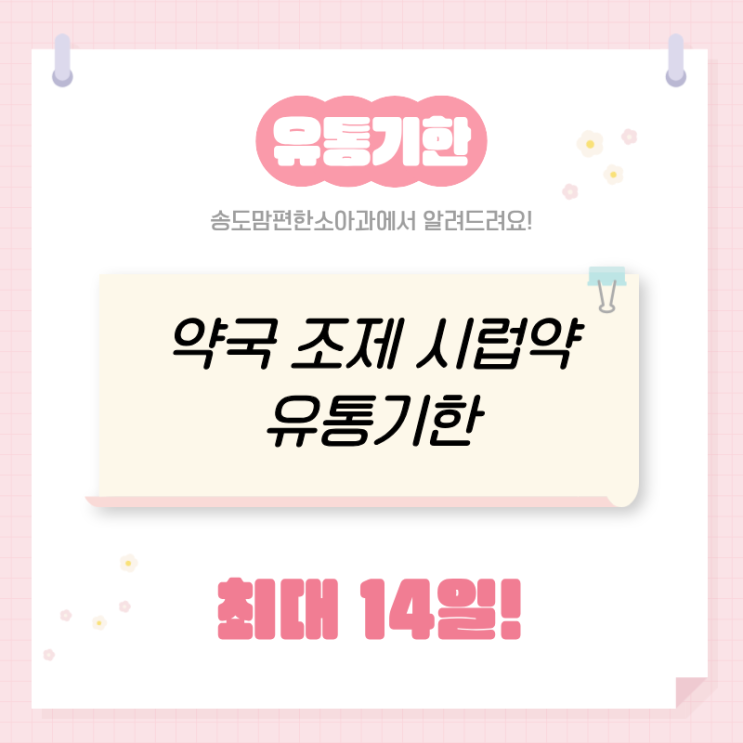
The expiry date printed on the paper medicine envelope or the bottle is, at most, the ‘before-opening’ date. Compounded medicine that the pharmacy has measured out into a clear plastic bottle to match your child’s weight has a completely different shelf life from the moment it is opened.
-
Syrup medicine measured out and compounded by the pharmacy: 1–2 weeks from the prescription date (up to 14 days)
Just because the symptoms seem similar, giving your child leftover cold medicine from a week ago is dangerous. Because the medicine comes into contact with air during the transfer into the empty plastic bottle, bacteria can multiply easily, so once the prescription period has passed, you must discard it without exception, however wasteful it feels.
-
Individually packaged over-the-counter (squeeze-pouch) syrup medicine: until the printed expiry date
Individually packaged fever reducers used one pouch at a time can be kept until the expiry date printed on the product, as long as they remain unopened.
-
Large-bottle fever-reducer syrup: within 1 month after opening
A large bottle of fever-reducer syrup kept on hand as a household emergency medicine should, once opened, be used within 1 month, and it is safest to throw away whatever is left over.
Common pediatric questions! Handy tips for taking syrup medicine (FAQ)
Q1. I left an antibiotic that needs refrigeration out at room temperature for half a day. Should I throw it away?
A. If the weather wasn’t very hot and it was left out only briefly (about 2–3 hours), you can put it back in the refrigerator as soon as you notice and keep giving it.
However, if it was left out for half a day (5–6 hours) or more during the hottest part of the day, or if the medicine’s color has changed from its original shade (usually white or pink) to a murky brown or yellow, there is a strong chance the ingredients have spoiled and lost their effectiveness. For your child’s safety, in this case it is safest to stop giving it, however wasteful it feels, and to ask your clinic or pharmacy and have new medicine prescribed.
Q2. Do I need to take the chill off a refrigerated antibiotic syrup before giving it?
A. Yes, that’s right. Giving cold medicine to a child straight away can irritate the throat and trigger vomiting. It is best to take it out 5–10 minutes beforehand to let the chill settle slightly, and then give it to your child.
(Caution: never apply heat, such as soaking it in warm water or microwaving it to thaw it quickly, as this destroys the medicine’s ingredients.)
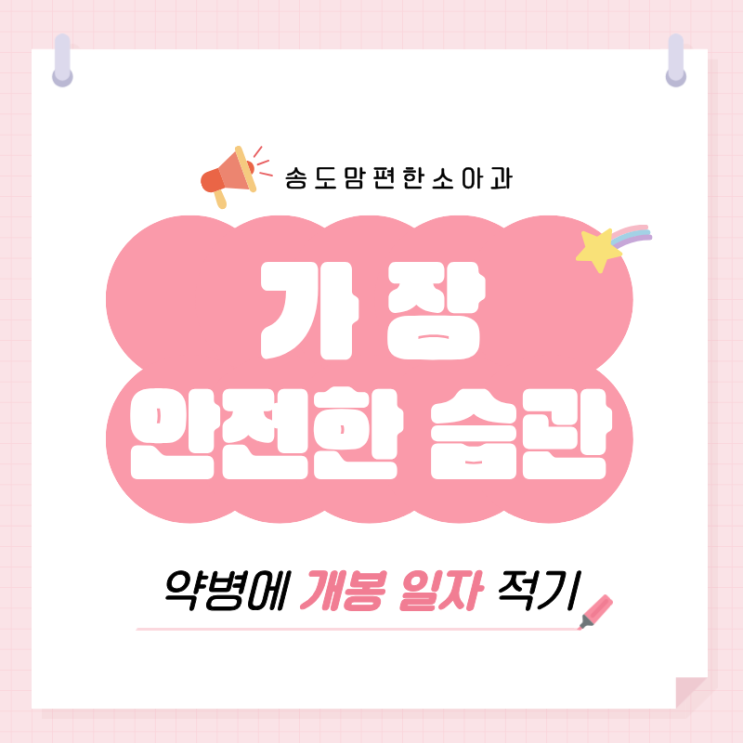
When you bring the medicine home, use a permanent marker on the surface of the bottle to write down the opening date (prescription date) in large letters. Being able to check the date at a glance is a great help in preventing you from accidentally giving medicine that is past its shelf life.
To help our children take their medicine safely and correctly, we have been SONGDO ANSHIN, always by your side, thinking it through and working hard together with you. Thank you!

[This article was written to provide reliable medical information. For an accurate diagnosis based on your child’s individual symptoms and condition, please be sure to consult a pediatric specialist.]
💡 Worth reading together
Along with how to store compounded medicine, the situation parents ask about most is precisely taking fever reducers.
To help you respond safely when your child is struggling with a high fever, the alternating-dose intervals and precautions for each fever-reducer ingredient are all laid out in our previous post. Please take a look.▼ Go to: Complete guide to fever-reducer alternating-dose intervals and timing! High-fever precautions

SONGDO ANSHIN
