
Do You Trust Supplements? The Truth You Should Know Before Choosing Health Functional Foods and Wise Selection Criteria

The recent KBS investigative program ‘Chujeok 60 Bun’ (In-Depth 60 Minutes), episode 1463, titled ‘Do You Trust Supplements?’, once again shed light on the hidden side of the health functional food market that has become deeply embedded in our daily lives.
Korea’s health functional food market has grown explosively to about 6 trillion won, and with more than 8 out of 10 households having purchased supplements, supplements have now become not a special choice but a common everyday consumer product.
But as the market grows, so does advertising that exaggerates efficacy or confuses consumers, which is why we need an accurate understanding of the ingredients and effects of the supplements we habitually take.
Same Name, Different Ingredients: The Truth About ‘Edible Albumin’
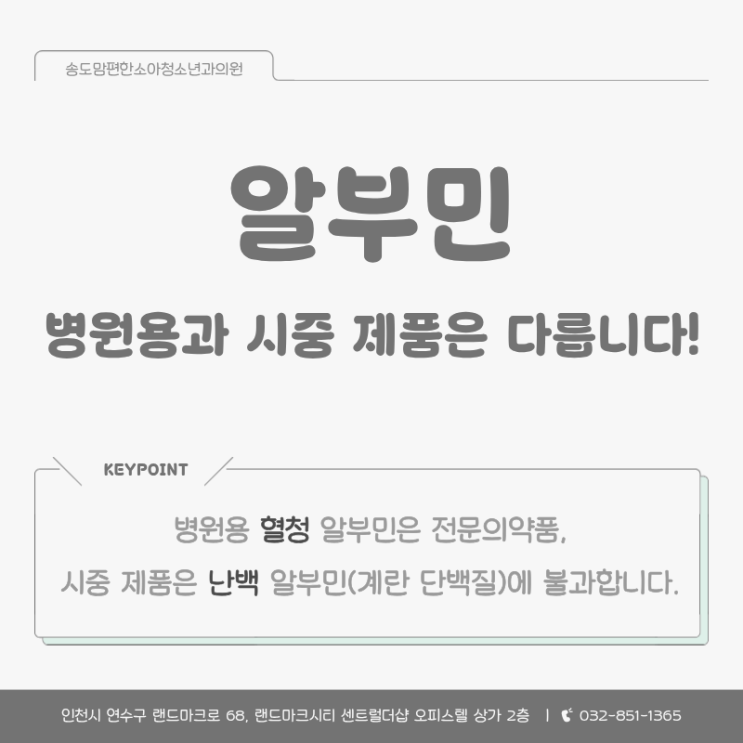
‘Edible albumin’, which recently gained popularity through advertising claiming it is good for fatigue recovery and immune care, is a representative product that many consumers confuse with hospital-grade serum albumin.
-
Hospital-grade serum albumin : is a prescription drug used to treat liver disease and critically ill patients.
-
Commercially sold albumin : is mostly ‘ovalbumin’, a protein extracted from egg whites.
-
The two ingredients are similar only in name, while their composition and uses are completely different. Consumers are essentially paying 2 to 30 times the price of a pharmaceutical for an egg protein ingredient.
-
Some consumers who purchased expensive albumin products have reported failing to obtain the expected improvement in their albumin levels, or even seeing their levels drop.
-
Professor Lee Seung-hoon of the Department of Neurology at Seoul National University criticized the sale of ovalbumin supplements, saying, “This should be seen not merely as excessive but as crossing the line”.
Marketing Traps and Cautions of Height-Growth Supplements

Beyond ‘edible albumin’, flaws in marketing are also being exposed in the ‘height-growth supplement’ market that targets growing children.
-
American premium marketing : Some companies fabricate nonexistent research institutes supposedly based in the United States, or deceive consumers with false advertising claiming that famous universities such as Johns Hopkins participated in their research.
-
The reality of the ingredient composition : Contrary to the flashy promotion of overseas research cases, there have been reports that the actual supplement ingredient composition was handled by team members of a domestic company.
-
Consumer caution : Rather than choosing a product based solely on modifiers like ‘made in the USA’ or ‘researched by a famous university’, you must carefully verify whether there is genuine scientific evidence and whether the marketing is falsely packaged.
Marketing Traps: The Authority of Doctors and Pharmaceutical Companies
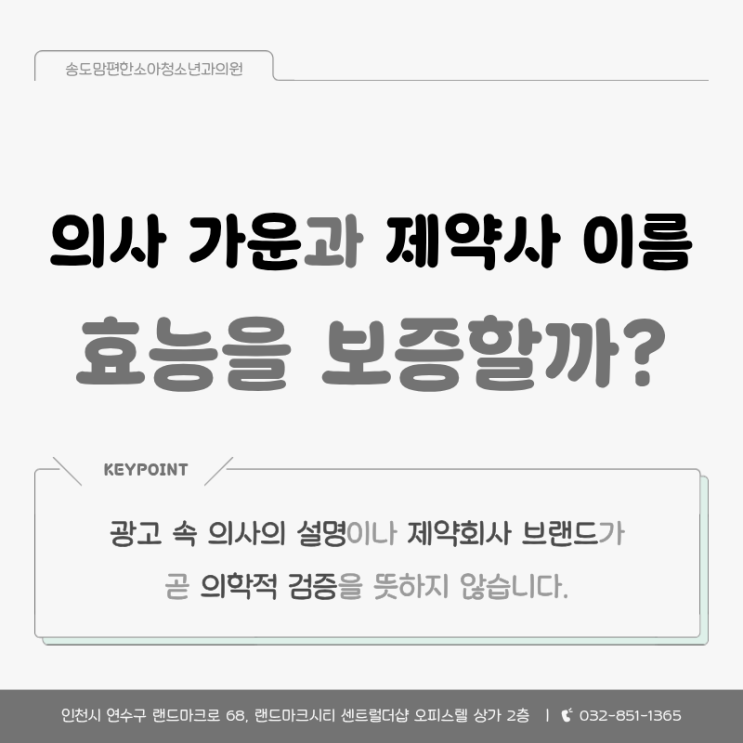
The factors that make consumers trust supplements at the level of pharmaceuticals lie in the way they are advertised.
-
Doctor advertising : When a doctor appears directly in an advertisement, consumers are apt to mistakenly believe the product’s efficacy has been medically verified. The Korean Medical Association criticizes the act of conveying incorrect information by leaning on the authority of the doctor’s white coat as a clear problem.
-
Pharmaceutical company brands : Many people mistake a product for a prescription drug simply because a famous pharmaceutical company manufactures and sells it, but it should be noted that health functional foods clearly differ from pharmaceuticals in their approval criteria and the scope of recognized efficacy.
Limits of the Market Structure: Keyword-Centered Planning and the OEM Model
-
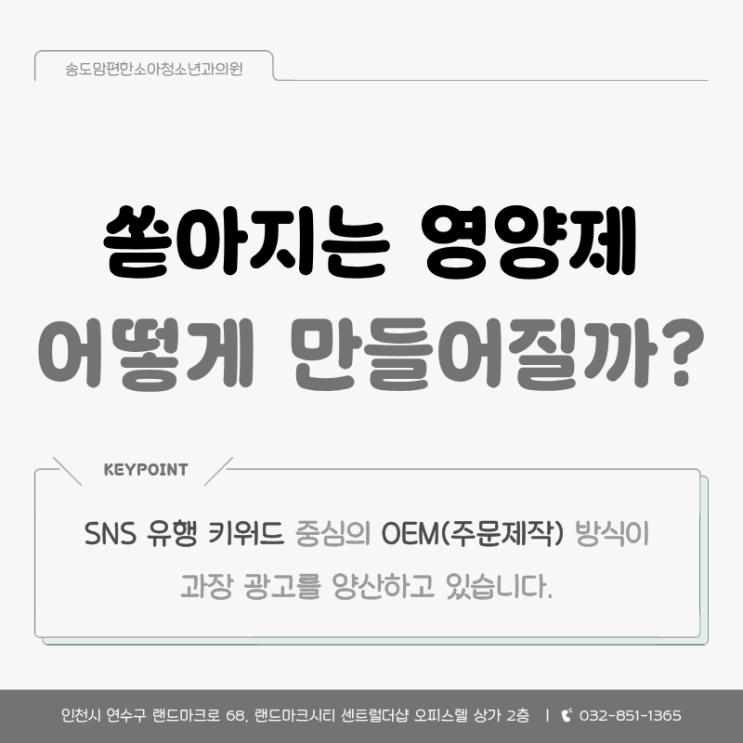
Keyword marketing : It is common to analyze trending keywords on social media (SNS) and quickly plan and sell products that match them.
-
Speed of product planning : The time from product planning to the start of sales can be as short as about 3 months, which is closer to made-to-order production than to product development.
-
The light and shadow of the OEM structure : Rather than the seller conducting research and manufacturing directly, production is entrusted to a factory. Consumers tend to think that a single company is responsible for everything, but the actual structure is divided into several stages. In an OEM structure where the manufacturer and seller are separate, responsibility becomes unclear when a problem arises, making it difficult for victims to obtain redress.
-
Excessive competition : As the number of products explodes, social media is flooded with sensational, exaggerated advertising rather than the products’ actual functions
Conclusion: Toward a Wise Choice of Supplements

Experts advise checking your own health condition first, rather than relying excessively on supplements.
-
Modern people often seek out supplements not because of a health deficiency but because of the ‘anxiety’ they feel within a tiring society.
-
Before choosing a product, you must be sure to check whether it is a health functional food or an ordinary food, and whether its advertising expressions match the scientific evidence.
-
Rather than being swayed by advertising slogans, a single multivitamin tablet containing vitamin D may be enough to supplement your basic nutrition.
-
The effects of many supplements are more limited than expected, and a more fundamental solution than supplements may be sufficient rest and a regular lifestyle.
For that single supplement tablet you swallow out of habit each day, we hope you will now choose wisely, based on scientific evidence rather than advertising slogans and in line with your own health condition.
[This posting is a public-interest, informational article written based on the KBS Chujeok 60 Bun episode 1463 broadcast and related materials.]
