
Precocious Puberty GnRH Stimulation Test: Procedure and Duration, How It Differs from the Growth Hormone Stimulation Test, and Health Insurance Coverage Criteria
Hello, this is SONGDO ANSHIN Growth Clinic.
Many parents who follow our blog columns because they care about their child’s growth sometimes find one point confusing when they visit our clinic.
It is the difference between the growth hormone stimulation test, done when a child’s height growth is slow, and the GnRH stimulation test for precocious puberty, done when pubertal development is early.
Because both tests have the words ‘stimulation test’ in their names, many parents assume that, like the growth hormone test introduced in our previous column, the precocious puberty stimulation test also requires two visits one week apart.
To get straight to the point, however, the two tests are completely separate tests that differ in purpose and target children as well as in the number of visits and the time required.
Because accurate information is essential for a child’s healthy growth, today SONGDO ANSHIN summarizes, at a glance, the clear differences between the two tests, how the precocious puberty test is performed, how long it takes, and the revised National Health Insurance coverage criteria for precocious puberty.
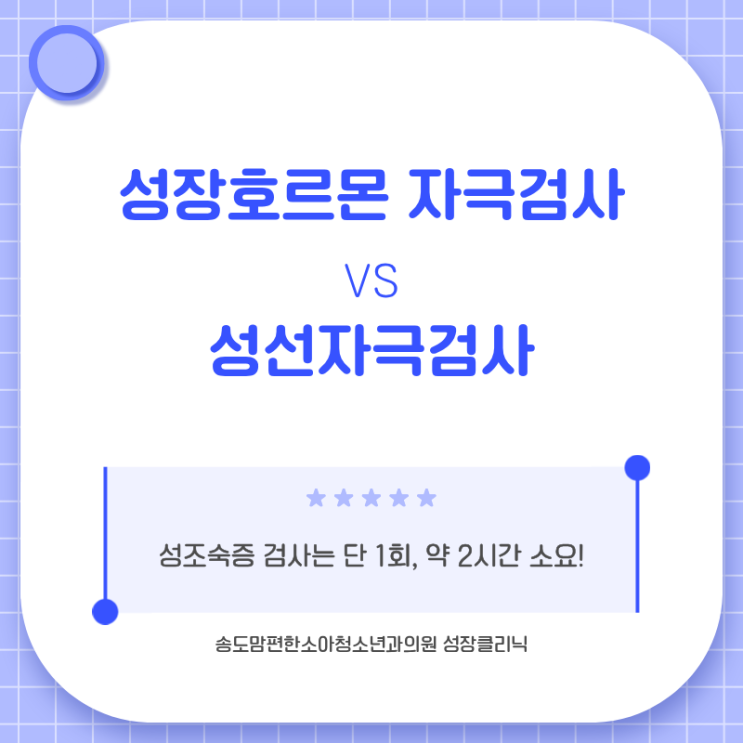
[Key Comparison] Growth Hormone Stimulation Test vs GnRH Stimulation Test (Precocious Puberty)
|
Category |
growth hormone stimulation test |
GnRH Stimulation Test (Precocious Puberty) |
|
Purpose |
For a child whose height growth is much slower than peers: to check for growth hormone deficiency |
For a child whose pubertal development is abnormally early: to confirm central precocious puberty |
|
Number of visits |
2 visits in total (outpatient, split one week apart) |
Just 1 visit, with the test completed the same day |
|
Time required |
About half a day per visit |
1 hour 30 minutes to 2 hours in total |
|
Stimulation agent |
Oral medication (levodopa) / injection (arginine) |
Injection of the agent (Relicheck Inj.) followed by blood draws at set intervals |
📌 Key point:
The GnRH stimulation test for diagnosing precocious puberty is completed in just 1 visit, with the entire test finished within about 1 hour 30 minutes to 2 hours.
Precocious Puberty Warning Signs Checklist
-
Girls (before age 8) : breast bud formation and tenderness, scalp odor, acne, a sudden growth spurt, early first period before age 10
-
Boys (before age 9) : increased testicular volume (4cc or more), voice beginning to change, appearance of a mustache and pubic hair, scalp odor
When puberty starts too early, a child may seem to be growing well at first, but the growth plates close early and final adult height can be significantly reduced, so it is very important to visit a clinic that tests for precocious puberty and receive an accurate diagnosis at the right time.
Procedure of the GnRH Stimulation Test for Precocious Puberty
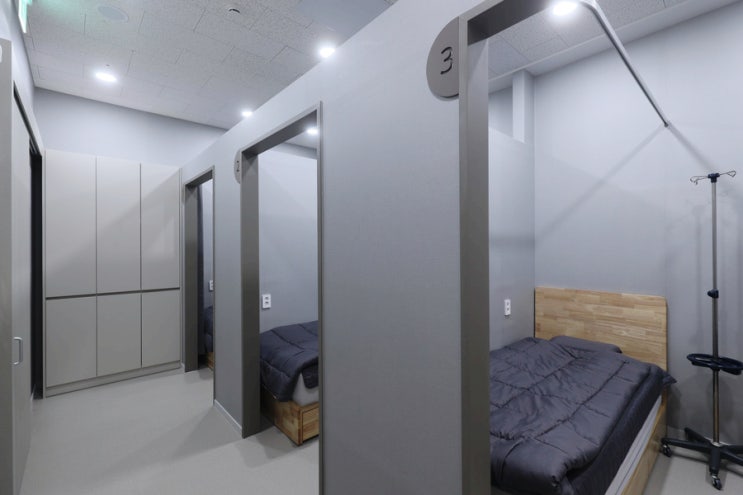
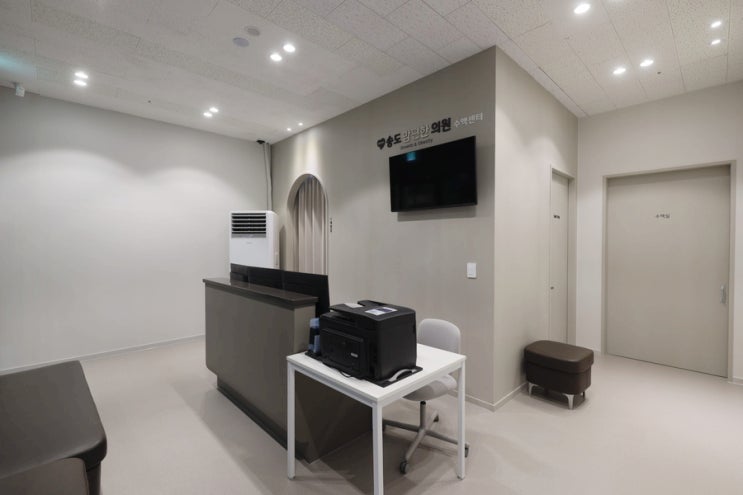
To reduce the pain and fear your child may feel, a dedicated nurse performs the test carefully in a separate, dedicated space.
1️⃣ Securing an IV line (only one needle stick!)
An IV line is placed once, just like receiving an IV drip. All the following blood draws use this line, so there is no additional needle pain at all.
2️⃣ Baseline hormone (1st) blood draw
Baseline levels of LH (luteinizing hormone) and FSH (follicle-stimulating hormone) are checked.
3️⃣ Administration of the stimulation agent (Relicheck Inj.)
An agent that stimulates the pituitary gland to induce sex hormone secretion is administered.
4️⃣ Serial blood draws at set intervals (30, 45, 60, and 90 minutes)
After the agent is given, blood is drawn at the designated intervals to measure changes in hormone levels.
5️⃣ End of test and going home (1 hour 30 minutes to 2 hours in total)
After the final blood draw, the line is removed and your child goes home the same day.
Diagnostic Criteria & Health Insurance Coverage Conditions
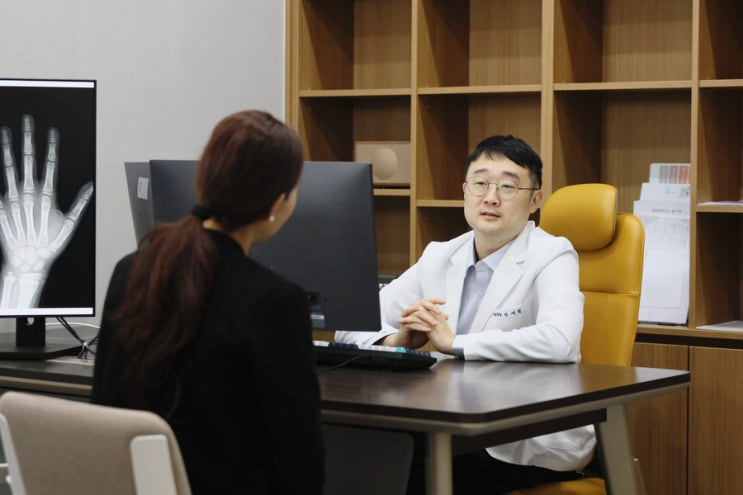
Through analysis of the collected blood, if the peak LH (luteinizing hormone) level after stimulation is 5 IU/L or higher, central precocious puberty is confirmed.
✅ National Health Insurance Coverage Criteria for Precocious Puberty Treatment (GnRH agonist injections)
To receive National Health Insurance coverage for precocious puberty treatment injections, the following conditions must all be met.
1️⃣ Timing of onset of secondary sexual characteristics (symptoms)
-
Girls : an objective record that secondary sexual characteristics such as breast buds began before age 8 (up to 7 years 364 days) is required
-
Boys : an objective record that secondary sexual characteristics such as testicular development began before age 9 (up to 8 years 364 days) is required
2️⃣ Age limit at the start of the first treatment (injection)
-
Girls : Under age 9 (covered if the first injection starts by 8 years 364 days)
-
Boys : Under age 10 (covered if the first injection starts by 9 years 364 days)
3️⃣ Bone age criterion : bone age is advanced beyond the child’s actual (chronological) age
⚠️ Note for parents:
Even if secondary sexual characteristics appeared within the age criteria, National Health Insurance coverage is not available if the test and the first treatment injection take place after age 9 for girls (age 10 for boys). So if you suspect symptoms, don’t delay, and make sure to visit us in time.
📌 [Related Post You May Find Helpful]
“Curious about the outpatient growth hormone stimulation test without hospitalization?”
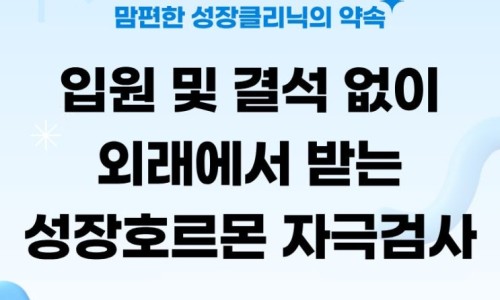
Unlike the precocious puberty test (1 visit), the ‘growth hormone stimulation test’, which checks for growth hormone deficiency in short children, is done without hospitalization over 2 outpatient visits one week apart. For our testing philosophy and detailed procedure, please see the post ▽ below!
👉 The Growth Hormone Stimulation Test Can Be Done as an Outpatient, Without Hospitalization (Songdo Growth Clinic Part 6)
A Word from SONGDO ANSHIN Growth Clinic
Testing for precocious puberty is an important step in protecting your child’s healthy growth and final adult height.
At our clinic, this is SONGDO ANSHIN Growth Clinic board-certified pediatricians personally and objectively evaluate everything from bone age reading to hormone response analysis, and we promise only the care that is needed, without overtreatment.
If you have any questions about your child’s pace of puberty or height growth, please feel free to contact us at any time.
