Heat Stroke vs. Heat Exhaustion in a Heat Wave: Heat-Related Illness Symptoms and 3 Emergency First-Aid Steps
Hello! This is SONGDO ANSHIN, located in Songdo District 8.
As the sweltering heat wave topping 39℃ continues day after day, the risk of heat-related illness is reaching its peak.
This past weekend (7/26), MBC News Desk led with the news that the number of heat-related illness patients nationwide had passed 1,300 and that deaths were mounting. The current heat wave has gone beyond ordinary summer heat to a ‘disaster level.’
📺 [See related news]
“Sweltering heat nationwide: heat-related illness deaths as the heat wave tops 39℃” (2026.07.26 MBC News Desk)
<Source: MBCNEWS 2026.07.26>
“Just a short outdoor activity for the kids should be fine,” “I’m an adult, what could this little bit of sun do to me?” Many people let their guard down like this and end up facing unexpected emergencies.
Air-conditioning sickness that comes from summer air conditioners is only a matter of discomfort, but heat-related illness in a heat wave is an extremely fatal condition that, if the golden window is missed, can even cause damage to the brain and internal organs.
In particular, children and elementary-schoolers, whose temperature-regulating center is not yet fully developed, as well as parents who forget their own dehydration while caring for their kids under the blazing sun, are prime targets of heat-related illness.
Today, SONGDO ANSHIN will clearly walk you through the decisive difference between heat exhaustion (sunstroke) and heat stroke, and the golden-window emergency response that saves lives, covering just the essentials so you can take them in at a glance!
|
💡 [30-Second Emergency Check] Heat exhaustion vs. heat stroke: how to tell them apart in one second
• Profuse sweating / body temp below 40℃ / dizziness, vomiting, extreme fatigue (conscious)
• Sweating stops / / body temp explodes above 40℃ / delirium, convulsions, loss of consciousness(call 119 immediately!) |
When the temperature-control engine blows out: the difference between heat exhaustion and heat stroke
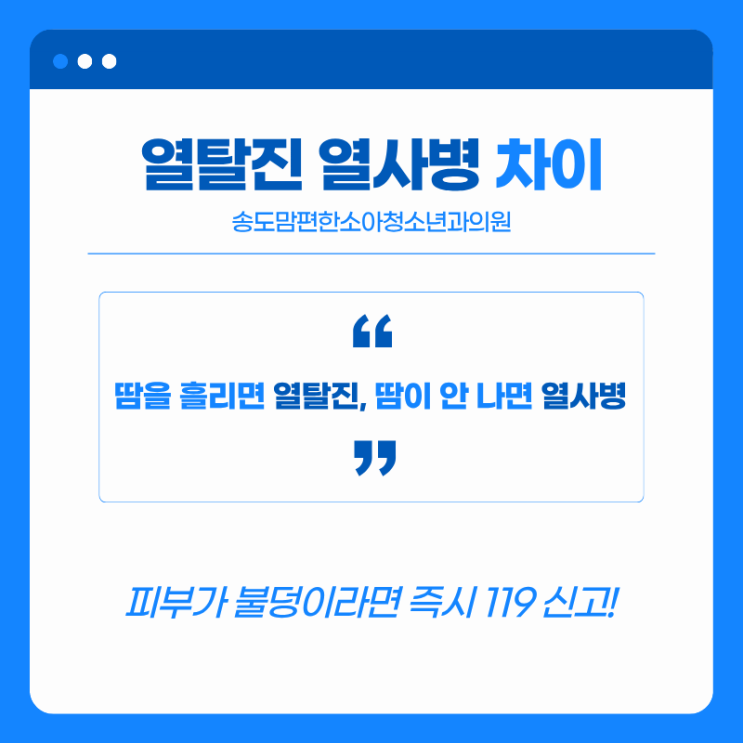
Heat-related illness occurs when our body’s ‘cooling system’ can’t withstand the overload and breaks down.
✅ Heat exhaustion (sunstroke) ➔ “a state where the body’s water and salt are depleted”
It is a state in which excessive sweating in the heat wave has drained water and electrolytes. The face turns pale, sweat pours out, and dizziness comes with a queasy, nauseated feeling. If you don’t quickly replenish fluids and lower the body temperature at this point, it immediately worsens into ‘heat stroke.’
✅ Heat stroke ➔ “an ultra-urgent state in which the brain’s temperature-regulating center is paralyzed”
The temperature-regulating center collapses altogether, producing the bizarre phenomenon in which the body no longer sweats. The skin becomes dry as a drought and hot as a fireball, and body temperature soars above 40℃. The central nervous system is damaged, causing loss of consciousness or convulsions, and in severe cases it becomes a supreme emergency in which life is in danger.
📊 Heat exhaustion vs. heat stroke: an at-a-glance comparison table
|
Category |
Heat exhaustion (sunstroke) |
Heat stroke (emergency!) |
|
Body temperature |
Below 40℃ (mild to high fever) |
Extremely high, above 40℃ |
|
Skin condition |
Profuse sweating, pale and clammy |
No sweating, dry, red, and hot |
|
State of consciousness |
Conscious (dizziness, headache, vomiting) |
Clouded consciousness, delirium, convulsions, loss of consciousness |
|
Main cause |
Dehydration from lack of water and salt |
Organ damage from paralysis of the temperature-regulating center |
The easy-to-miss ‘Danger signals’ of heat-related illness
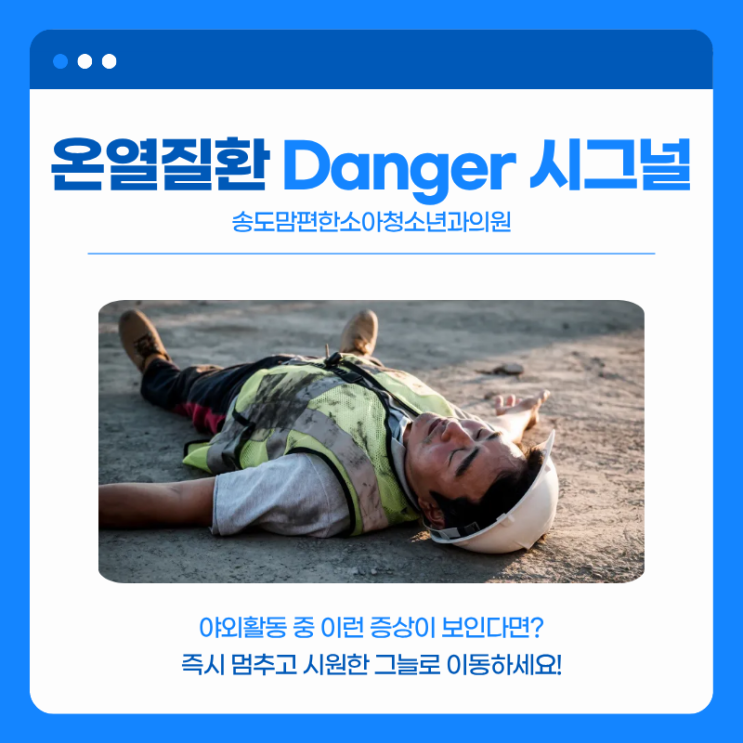
If you or your child show any of the following symptoms during outdoor activities or outdoor sports (soccer, jump rope, etc.), you must stop all activity immediately.
-
Infants and young children : suddenly becoming irritable and droopy / collapsing while playing, saying “I feel like throwing up” / passing dark brown urine in the diaper or underwear
-
Elementary-schoolers and adults : a splitting headache / shimmering vision or extreme dizziness / muscle cramps (charley horses) / the body is hot yet breaks out in a cold sweat, or conversely sweating stops entirely
The 3 first-aid steps that save a life when heat-related illness strikes

If someone is affected, don’t panic. Carry out the following 3 steps ‘right away’.
1️⃣ Step 1: Move to a cooling environment & loosen clothing
Get out of the sun and immediately move the person to an air-conditioned room or a cool, well-ventilated shady spot. Undo belts, buttons, socks, shoes, diapers, and so on so the body’s heat can escape outward.
2️⃣ Step 2: Cool the ‘key blood vessels’ with lukewarm water
Cold ice water actually constricts the skin’s blood vessels and hinders heat release from the body. Keep wiping the neck, armpits, and groin (where the large blood vessels pass) with a towel dampened in lukewarm water, and cool the person down by fanning or with an electric fan.
3️⃣ Step 3: Replenish fluids (★only when consciousness is clear!)
If the person is fully alert, have them sip water or a sports drink slowly, a little at a time.
⚠️ [Absolute caution] If you force water on someone who is groggy or drooping, the water can enter the airway and cause ‘aspiration pneumonia’ or respiratory arrest. When someone is unconscious, never give them anything at all!
🚨 What if the body temperature is above 40℃ or consciousness is flickering?
Without hesitation, call 119 immediately! Until the paramedics arrive, you must loosen the patient’s clothing and spray water on the body to bring the temperature down, so that organ damage can be prevented.
Heat-related illness prevention rules for the whole family in a heat wave
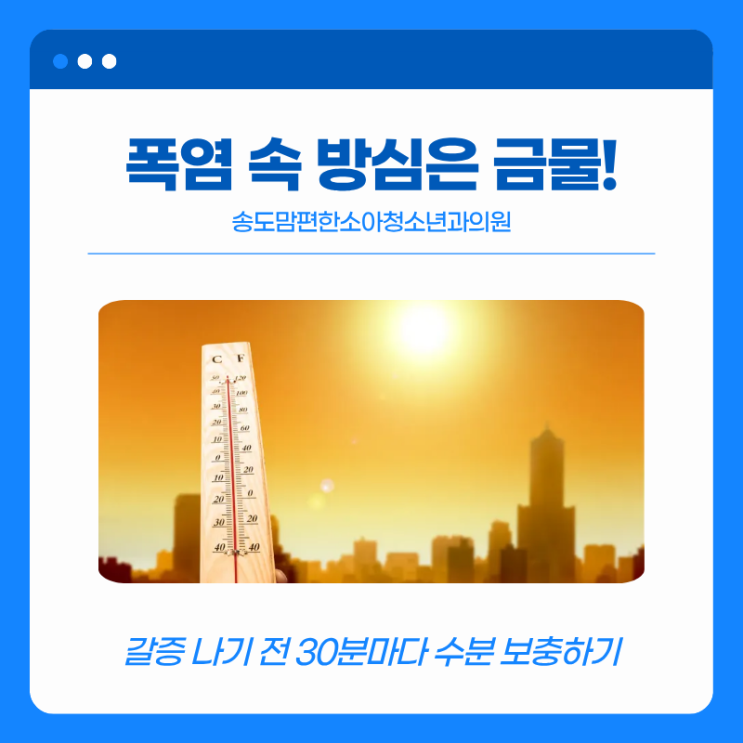
✅ Minimize outdoor activity from noon to 5 p.m. (refrain from outdoor sports and playgrounds)
✅ Never leave anyone in a vehicle for even 1 minute: In summer, the temperature inside a sealed car soars to 50℃ within 10 minutes.
✅ Drink water before you feel thirsty: By the time you feel thirsty, dehydration is already underway. Drink water or a sports drink regularly every 30 minutes to 1 hour.
✅ Wear light-colored, breathable clothing: Avoid black-toned clothes that absorb heat and wear thin, breathable clothing.
A word from SONGDO ANSHIN
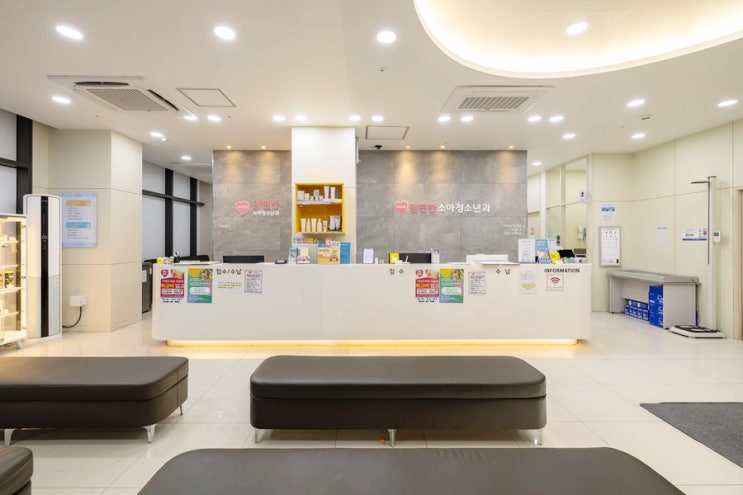
SONGDO ANSHIN main building
Heat-related illness has a way of progressing to a severe state in an instant when it is left alone with the thought, “I’ll be fine after a little rest.”
If your body temperature doesn’t come down well after outdoor activity, or if severe headache, vomiting, or listlessness persists, please don’t delay. Visit SONGDO ANSHIN to receive an accurate diagnosis from a specialist along with appropriate emergency measures such as IV fluid therapy.
SONGDO ANSHIN always roots for a healthy, safe summer for your whole family. If this was helpful, please tap [Add neighbor] and [Like] to keep receiving the latest medical news!
📌 A useful summer health guide to read together
For the summer vacation season, from babies and children to moms and dads!
From carry-on regulations to prescription medicines matched to your needs for upset stomach from unfamiliar water, indigestion, and high fever in unfamiliar vacation spots, we’ve gathered it all in one place.
👉 [The perfect overseas-travel medicine-kit list! From carry-on rules to a full rundown of prescriptions for babies and adults]