Growth Hormone Stimulation Test: Procedure, Fasting Rules and Cost Guide (Myungdopa/Arginine Outpatient Testing, Part 1)
“My child looks smaller than other kids the same age. Is that okay?”
Many parents watch their child’s growth and find themselves worrying about it several times a day.
Because a single one-off blood draw cannot accurately determine whether growth hormone is deficient, a ‘growth hormone stimulation test’ is performed instead.
In the past, having a growth hormone stimulation test was generally thought to require admission to a university hospital, but at the SONGDO ANSHIN Growth Clinic, our systematic pediatric-dedicated program allows it to be done as a same-day outpatient test, carried out safely and comfortably .
Today, in Part 1, we cover the basics of the growth hormone stimulation test, the medications used, the detailed timeline and procedure on test day, and the fasting rules to follow beforehand!
What is a growth hormone stimulation test?
💡Why isn’t a regular blood test enough, and why is a ‘stimulation test’ needed?
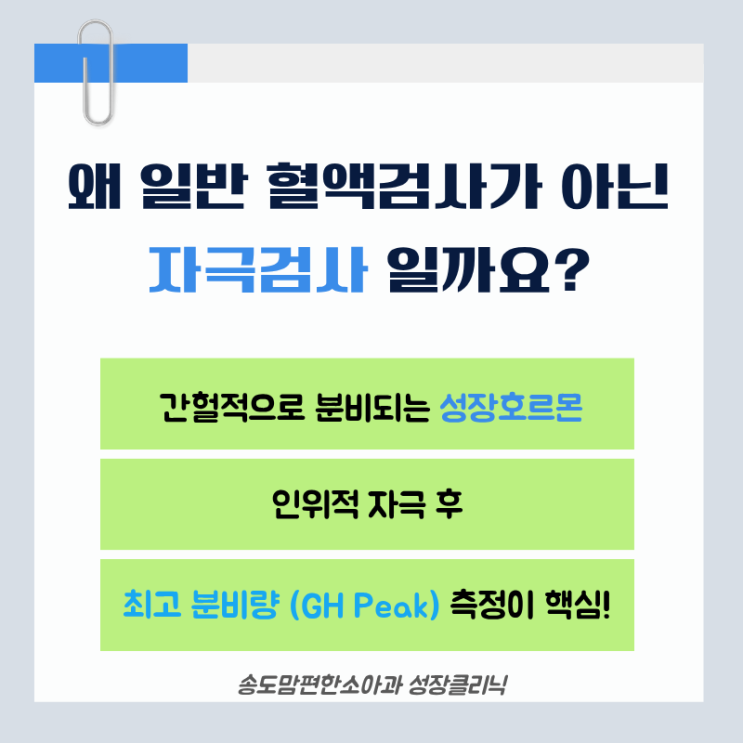
Growth hormone is not secreted at a steady rate around the clock; it is released intermittently in pulses, mainly at night or during exercise. Because only a tiny amount is present in the blood at ordinary times, a single routine blood draw cannot accurately diagnose growth hormone deficiency.
For that reason, medication is given to deliberately stimulate the pituitary gland, and blood is then drawn at set time points to measure the highest level of growth hormone released (GH Peak). That test is the growth hormone stimulation test.
Main medications used in the stimulation test and how they are given
When you hear that medication will be used to stimulate the body, the first worries are usually ‘Is this medication safe for my young child?’ and ‘How are the injection and the medicine actually given?’.
Several diagnostic agents can be used for growth hormone stimulation testing, including clonidine, glucagon, insulin, Myungdopa (levodopa) and arginine. Our clinic uses well-established diagnostic agents suited to pediatric outpatient testing, dosed precisely to each child’s weight and physical condition.
Here are the two main medications given to your child on test day, and exactly how each is administered.
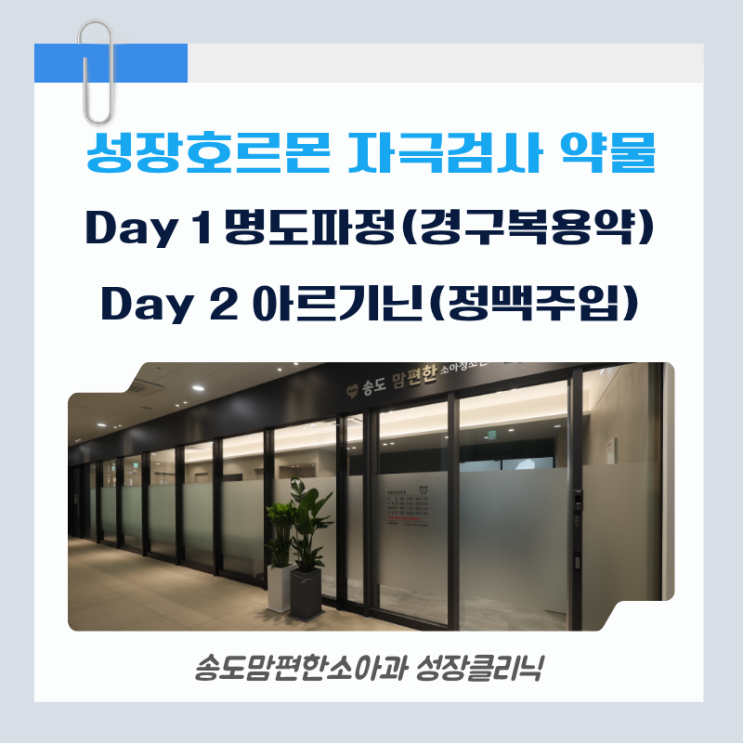
1️⃣ Day 1 medication: Myungdopa tablets (oral, levodopa)
-
Drug profile: A dopaminergic agent that stimulates the pituitary gland to promote growth hormone secretion.
-
How it is given: As soon as the 0-minute (baseline) blood draw is finished, the child takes the dose calculated for their body weight (kg) with a small amount of water.
-
Pediatric-friendly care: For younger children who have trouble swallowing tablets, we crush the tablet into powder and guide them to drink it dissolved in a small amount of water.
-
A reassuring note for parents: After taking the medication, some children feel slightly nauseated or dizzy, or have a temporary sensation of low blood sugar. This is a natural reaction to the drug stimulation, and our medical staff monitor your child closely throughout, so there is no need to worry.
2️⃣ Day 2 medication: arginine injection (intravenous drip)
-
Drug profile: An amino acid preparation that blocks somatostatin (the substance that suppresses growth hormone) and thereby induces growth hormone secretion.
-
How it is given: Immediately after the 0-minute (baseline) blood draw, it is infused slowly through the intravenous line over 30 minutes.
Detailed test-day timeline (same for Day 1 and Day 2)
Because the growth hormone stimulation test requires thorough preparation and fasting, it is run 100% by advance appointment.
🗓️ Test schedule and visit guide
-
Test days: Every Thursday (2 visits in total, one week apart)
-
Recommended arrival time: 09:00 (30 minutes before the test starts)
After we calculate the exact dose for your child’s body, complete the pre-test checks (height and weight measurement, basic examination) and secure the intravenous line safely in advance, the test itself begins at 09:30. Please arrive by 9:00 so the test can proceed unhurried and safely.
⏱️ Schedule on the day
|
Time |
Step |
Details |
|
09:00 |
Arrival and preparation |
Arrival, fasting re-confirmation, weight/height measurement, intravenous line secured using VeinVu 200 |
|
09:30 |
1st baseline blood draw (T=0) & medication |
★ 0-minute baseline blood draw followed immediately by medication • Day 1 : Myungdopa tablet taken (as powder if needed) • Day 2 : Arginine intravenous infusion started (over 30 minutes) |
|
10:00 |
2nd blood draw (T+30 min) |
2nd blood draw + vital signs (blood pressure/pulse) and side effect monitoring |
|
10:30 |
3rd blood draw (T+60 min) |
3rd blood draw + monitoring of the child’s condition |
|
11:00 |
4th blood draw (T+90 min) |
4th blood draw + keeping the child comfortable |
|
11:30 |
5th and final blood draw (T+120 min) & going home |
★ Final blood draw completed ➔ Intravenous catheter removed, bleeding checked, then home |
100% real footage! A preview of the Day 1 oral-medication test
❤️ So children aren’t frightened, we secure the intravenous line just once and carry out the whole test safely and accurately.
To ease children’s fear of the unfamiliar environment and repeated needle pain that come with a university-hospital admission, our clinic offers attentive care from nurses dedicated to pediatric patients and a comfortable environment built specifically for outpatient testing.
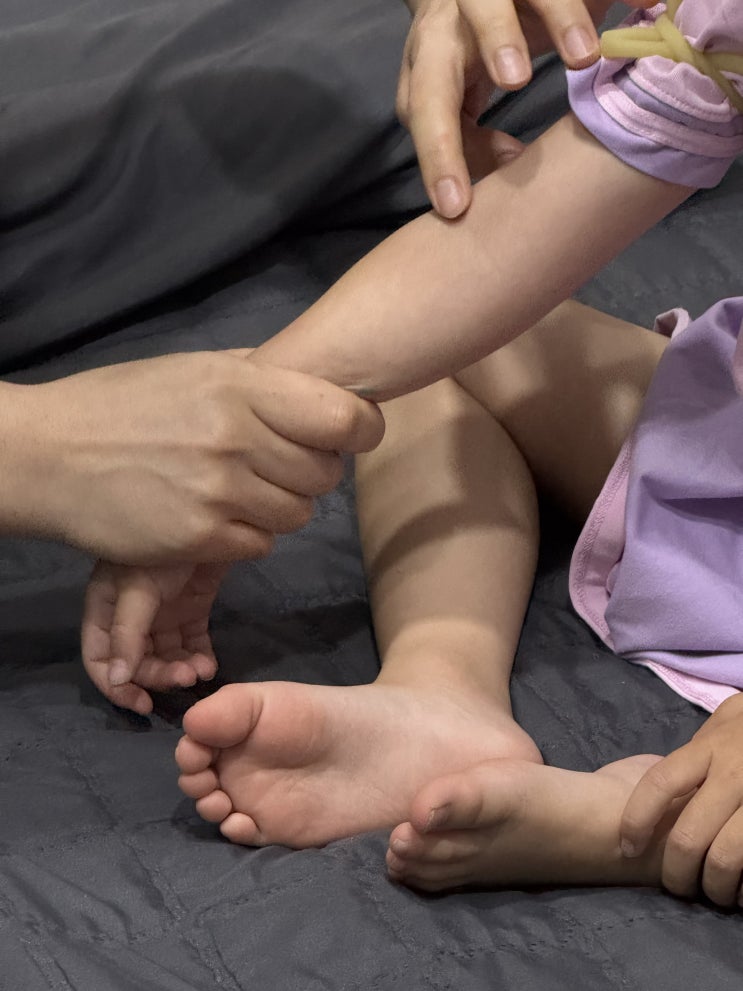
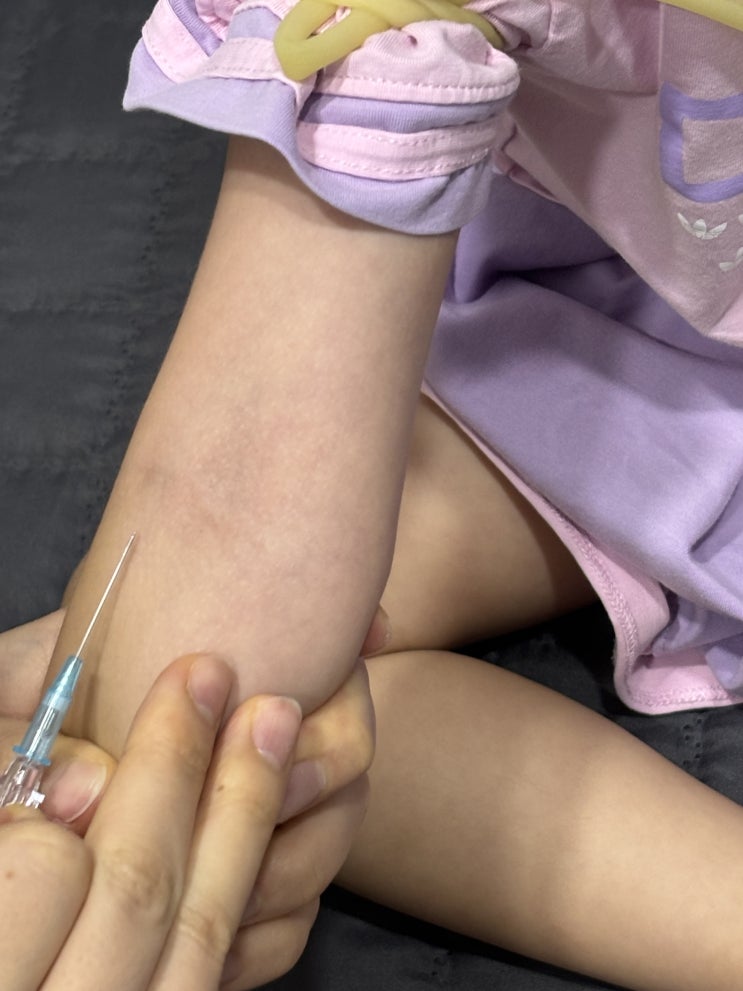
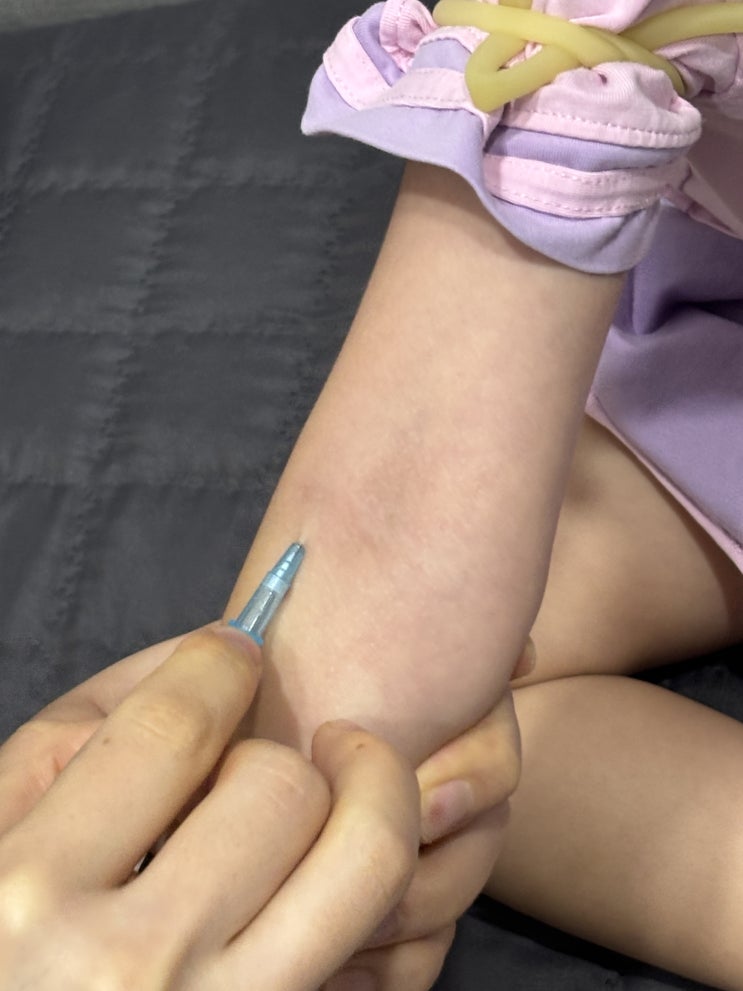
1️⃣ Careful vein access and safe intravenous catheter insertion
-
Know-how of our pediatric nursing team: Young children have thin veins that are hard to see, which makes blood draws difficult. At our clinic, nurses experienced in pediatric testing hold the child’s arm gently, confirm the exact site, and secure the intravenous line safely.
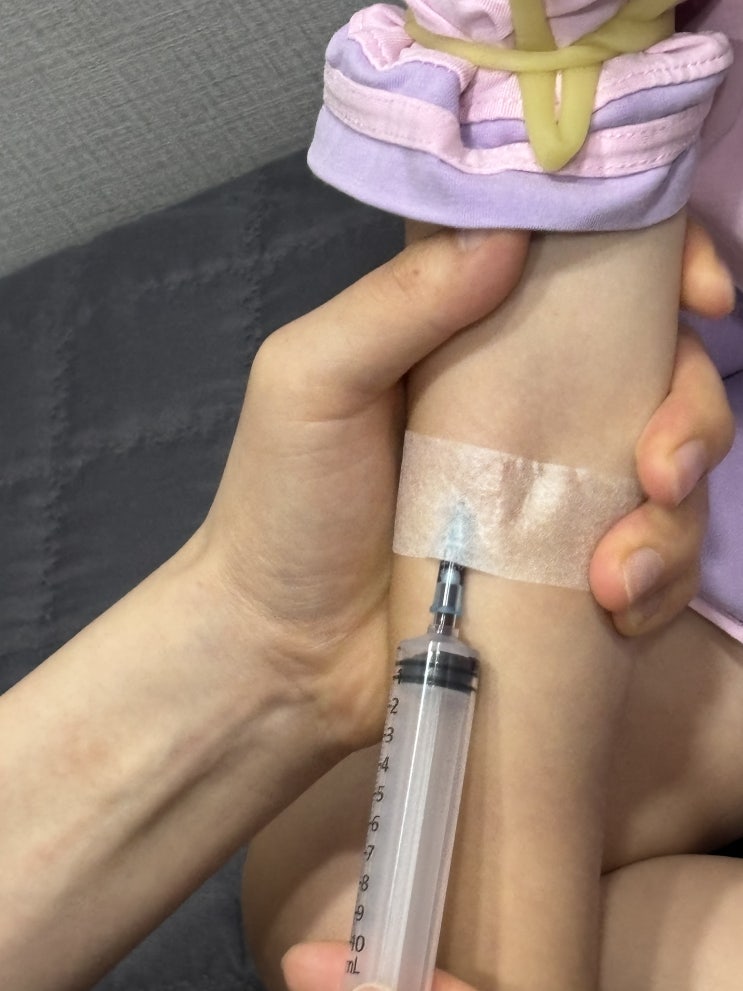
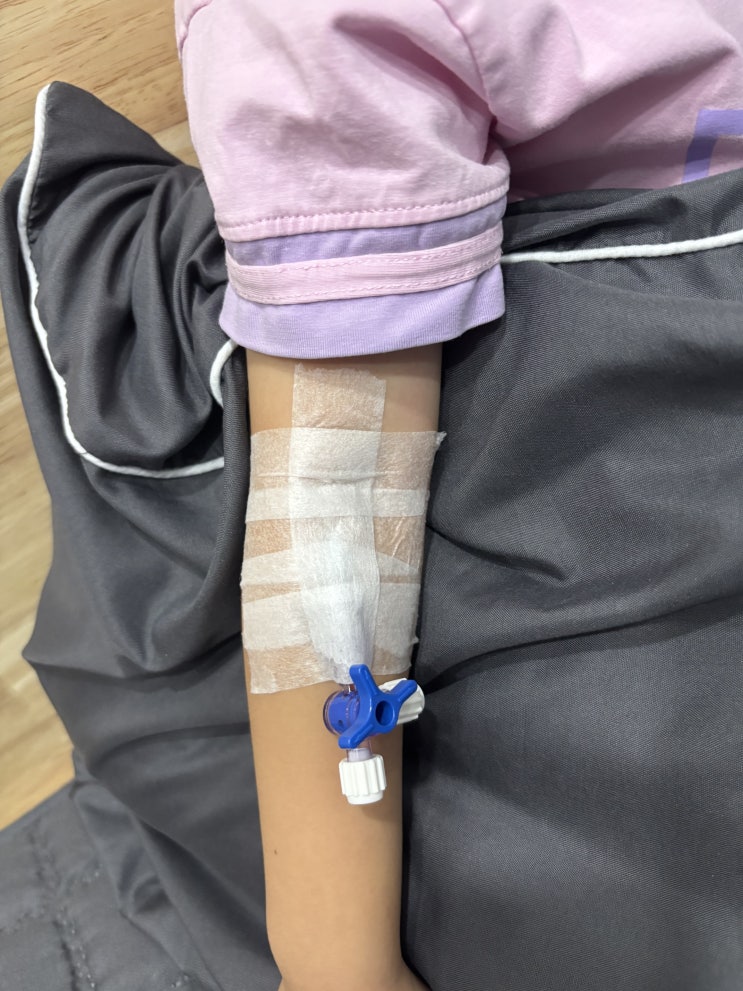
2️⃣ Five consecutive blood draws through a single intravenous line (Day 1, oral medication)
-
Time-point blood draws with minimal pain: After the 0-minute (baseline) blood draw, your child takes the Myungdopa tablet (oral medication) as instructed. For the five blood draws that follow at 30-minute intervals, blood is taken through the intravenous line placed at the start (a stopcock connected to the vein keeper), so the child’s skin is never punctured again and they can wait comfortably without pain.
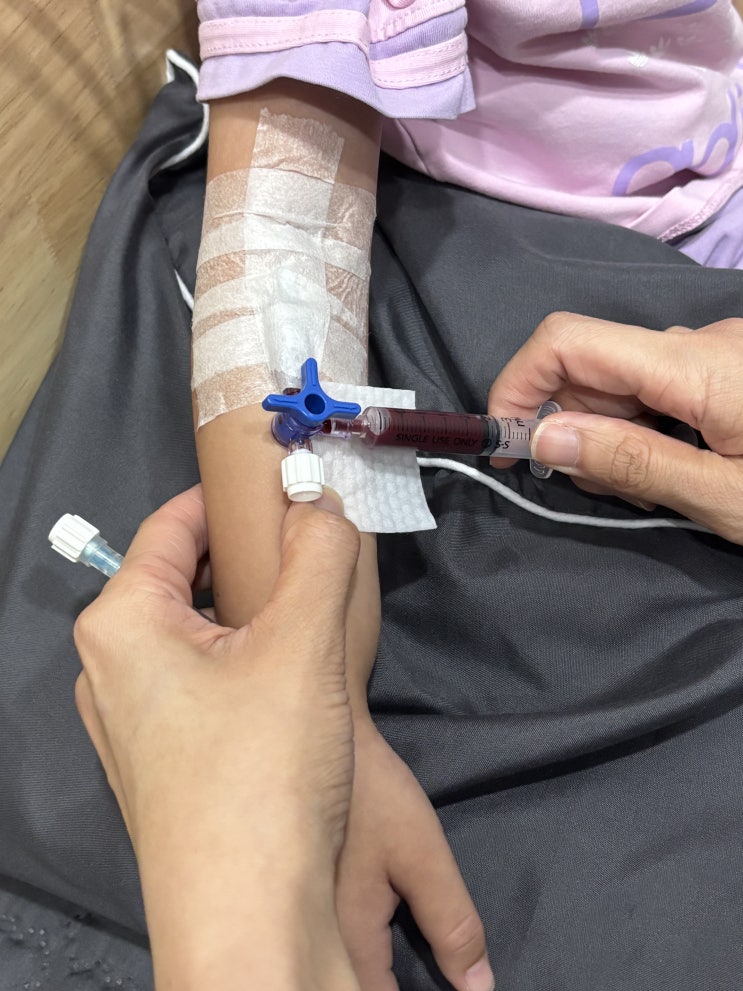
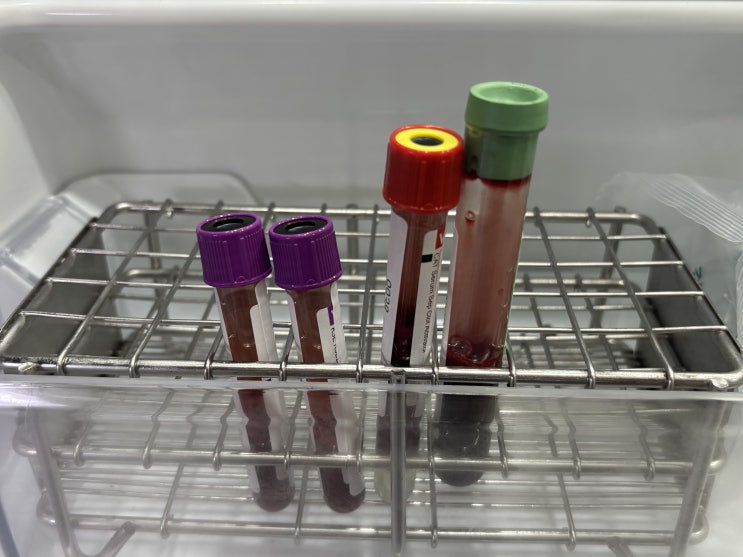
3️⃣ Thorough and accurate specimen handling
-
Precise specimen storage by time point: Blood collected at T=0 (baseline), 30, 60, 90 and 120 minutes is strictly separated and managed in storage containers, and goes through a safe storage procedure immediately after collection so that the peak growth hormone level (GH Peak) can be measured accurately.
What parents must do before the test
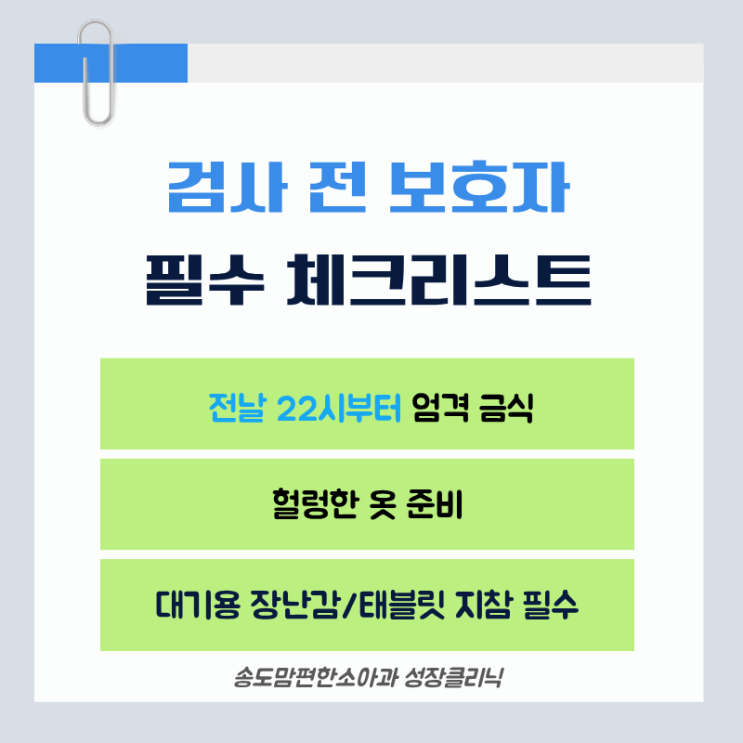
For accurate results and your child’s safety, please be sure to follow the items below!
1️⃣ Strict fasting from 10 p.m. (22:00) the night before the test (no food or drink of any kind, including water, beverages, candy and gum)
2️⃣ Brushing teeth on the morning of the test is fine, but please be careful not to swallow toothpaste.
3️⃣ Please dress your child in a comfortable, loose-fitting top (short sleeves, etc.) with sleeves that roll up easily.
4️⃣ Since your child waits for about 2 hours 30 minutes, it helps to bring their favorite books, toys or tablet so they don’t get bored.
5️⃣ If your child is currently taking any medication, please be sure to tell our medical staff in advance.
6️⃣ Because these are pediatric patients, a parent or guardian must accompany the child.
👇 [Related posts worth reading]
After a confirmed diagnosis, what are the insurance criteria for ‘growth hormone injection therapy’?
If the stimulation test confirms a deficiency and you are wondering about the national health insurance conditions for growth hormone injection therapy (growth hormone deficiency, small for gestational age (SGA) criteria, and so on), please see the post below ▽!
📢 Growth hormone stimulation test cost and appointment guide
For the growth hormone stimulation test, the test items and the cost can vary depending on the child’s age, weight and health insurance eligibility criteria.
If you would like details on the cost or want to book an appointment, please contact us any time in whichever way is most convenient. Our consultation staff will be glad to help.
-
Phone inquiries: 032-851-1365
-
KakaoTalk consultation: [KakaoTalk Channel: SONGDO ANSHIN] Add the channel, then send us a chat

👉 In the upcoming Part 2, we will fully cover the side effect monitoring system during the test, the know-how behind pain-reducing intravenous access, the health insurance diagnostic criteria, and the treatment process after a confirmed diagnosis.