
When Should a Baby Get the RSV Injection? Why October and November Are the Best Time
When is the best time for our baby’s RSV injection?
What Korea’s outbreak statistics and three NEJM studies point to
▼
“Before the season starts: October to November. The later it gets, the wider the gap in protection.”
|
📢 Here is the bottom line first. 1️⃣ In Korea, RSV (respiratory syncytial virus) circulates every year from October through March of the following year, and peaks in December–January (Korea Disease Control and Prevention Agency surveillance data). 2️⃣ Beyfortus and Enflonsia are not ‘vaccines’ but injections that deliver ‘ready-made antibodies’ directly. So there is no need to wait for antibodies to be produced: protection begins immediately after the injection, and that effect lasts about 5–6 months (150–180 days). 3️⃣ Put these two facts together and the answer emerges. If the injection is given in October–November, just before the outbreak season begins, the protection period fully covers the entire season, including the peak (December–January). 4️⃣ Conversely, the later the injection, the wider the ‘gap in protection’ becomes. If it is given after the peak has passed, the baby goes through the most dangerous period unprotected. |
Why does ‘when you get it’ matter?
RSV outbreak statistics in Korea
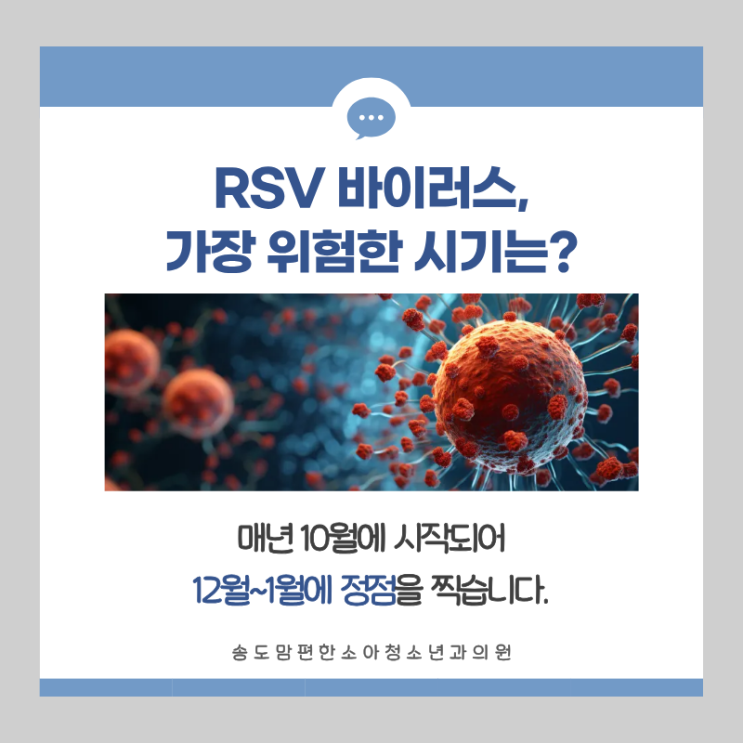
RSV is a common respiratory virus that almost every child catches at least once before the age of 2–3. In most cases it passes like a cold, but in young infants it can progress to bronchiolitis (inflammation of the smallest airways) or pneumonia, which makes it a leading cause of hospitalization in infants and toddlers.
What matters is that this virus does not circulate at just any time. Sentinel surveillance data, collected by the Korea Disease Control and Prevention Agency from hospital-level institutions with 200 or more beds nationwide, show that RSV in Korea circulates in winter from October through March of the following year, and that inpatient numbers mostly peak in December or January before declining. In November 2024 alone, hospitalizations among children aged 0–6 rose roughly threefold, from 73 in week 1 to 213 in week 4, a steep climb typical of the start of the season, and more than 85% of those inpatients were children aged 6 or under.
The protective effect of a preventive injection has a limited duration. Matching the timing of the injection to the outbreak curve is therefore half of the prevention strategy in itself.
Beyfortus and Enflonsia
are ‘antibody injections’, not ‘vaccines’
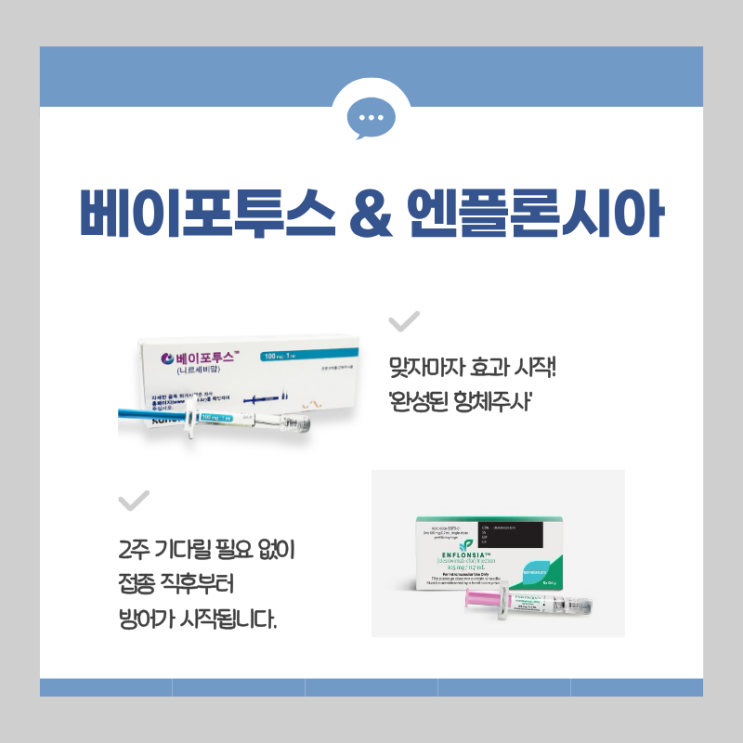
Beyfortus (generic name: nirsevimab) and Enflonsia (generic name: clesrovimab), currently used to prevent RSV in infants and toddlers, are strictly speaking not vaccines.
A vaccine trains the body’s immune system to produce antibodies on its own, so protection usually takes about two weeks to appear. These two injections, by contrast, deliver ‘ready-made antibodies (monoclonal antibodies)’, precisely engineered to neutralize RSV, directly into the body.
This difference carries two important implications when working out the timing of the injection.
• Immediate protection: because the antibodies arrive in a ready-made form, protection begins right after the injection. There is no waiting period while antibodies are produced.
• Long duration: both drugs use antibodies engineered to remain in the body for a long time. In clinical trials the protective effect was confirmed up to 150 days (about 5 months) after the injection, and additional analyses showed it was maintained up to 180 days (about 6 months). In other words, they are designed so that a single dose covers one season.
What studies is this based on?
This article is based on three large randomized controlled trials published in NEJM (The New England Journal of Medicine), one of the world’s most authoritative medical journals.
A randomized controlled trial is the most reliable study design: participants are randomly divided into an injected group and a non-injected (control) group, and the outcomes are compared.
|
Study (published) |
Drug |
Participants |
What it confirmed |
|
MELODY (NEJM 2022) |
Beyfortus |
1,490 healthy term and late-preterm infants |
Efficacy in preventing medically attended RSV lower respiratory tract infection for 150 days after the injection |
|
HARMONIE (NEJM 2023) |
Beyfortus |
8,058 infants aged 12 months or younger (3 European countries, real-world clinical setting) |
Efficacy in preventing RSV-related hospitalization over one season |
|
CLEVER (NEJM 2025) |
Enflonsia |
3,632 healthy preterm and term infants (22 countries) |
Preventive efficacy of a single fixed 105mg dose over 150 days |
Result ① The efficacy is already well established (summary)
Efficacy itself is not the question in this article. In all three studies, both antibody injections substantially reduced medically attended RSV infection and hospitalization for one full season with a single dose.
Beyfortus cut medically attended RSV infection to about a quarter (a 74.5% reduction) and RSV hospitalization to about a fifth (an 83.2% reduction), while Enflonsia likewise reduced RSV hospitalization by 84.2% and severe infection by 91.7% (all statistically significant).
The characteristics of the two drugs and a detailed comparison are covered in a separate post on our blog, so this article focuses on ‘when’ to get the injection.
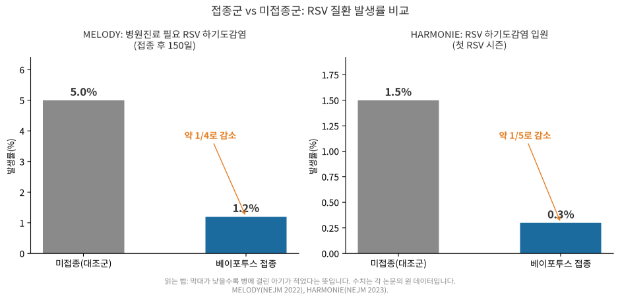
Figure 1. Incidence in the injected and non-injected groups (original data from each paper)
Result ② How long does the protection last?
The ‘duration of effect’ determines the timing
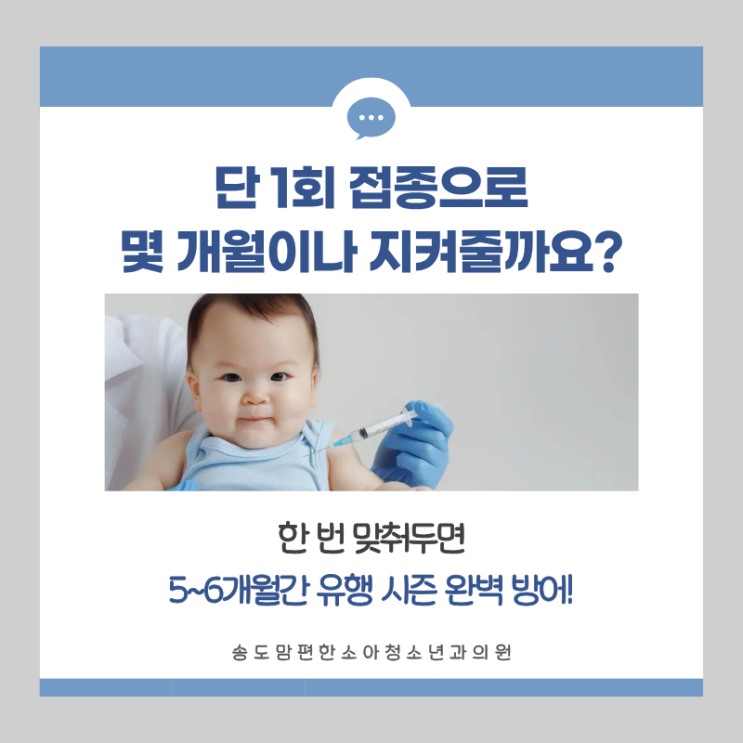
To decide when to give the injection, how long the effect lasts is the key.
In the MELODY trial, efficacy was maintained for 150 days after the injection with no sign of waning, and pharmacokinetic data (analysis that measures how long a drug stays in the body) confirmed that the antibody concentration needed for protection was also maintained to day 150.
A follow-up analysis of the HARMONIE trial, which tracked participants to day 180, found hospitalization-prevention efficacy of 82.7%, virtually the same as the 83.2% measured at the end of the season, confirming consistent protection of ‘at least 6 months’.
Enflonsia is engineered with a long antibody half-life (the time it takes for the amount to fall by half) of about 45 days, which makes it suitable for a single dose per season, and the CLEVER trial confirmed preventive efficacy at both day 150 and day 180.
Nor was there any sign of RSV infections becoming more frequent or more severe in the year after the injection (the second season).
|
💡Key point The protection period of the two antibody injections is about 5–6 months, and the length of Korea’s outbreak season (October–March) is about 6 months. . The fact that these two figures overlap almost exactly is the starting point of the ‘timing’ discussion. |
So when is the best time to get it?
Now let’s put the puzzle together. In Korea the outbreak starts in October, peaks in December–January and ends in March.
The antibody injection starts protecting right after it is given and lasts 5–6 months.
The answer, then, is clear. If the injection is given in October–November, just before the outbreak season begins, the protection period overlaps most broadly with the entire season, including the peak.
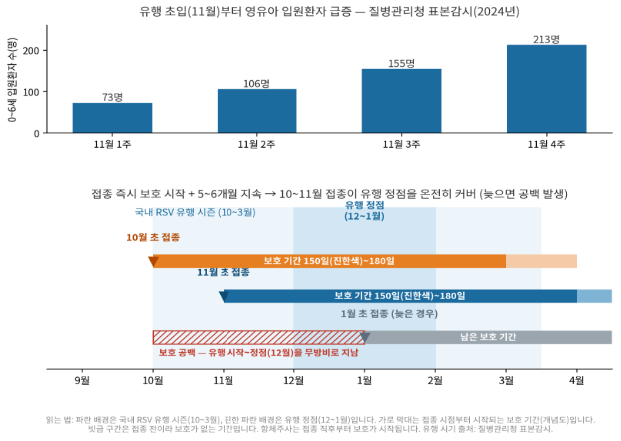
Figure 2. Korea’s outbreak season and peak versus the protection period by timing of the injection (conceptual diagram)
Above: actual sentinel surveillance figures from the Korea Disease Control and Prevention Agency for 2024. The hatched area is the protection gap created by a late injection.
As the figure above shows, an injection in early October covers October through the end of February (based on 150 days), and one in early November covers November through the end of March.
Getting it too early (in summer, for example) uses up part of the protective effect before the outbreak is fully under way, but the problem we see far more often in practice is the opposite one, namely getting it late.
|
💡Why ‘we’ll get it a bit later’ is risky The outbreak will not wait. In Korea Disease Control and Prevention Agency surveillance, hospitalizations among children aged 0–6 in November 2024 went from 73 to 213, roughly threefold, in just four weeks. Because the rise at the start of the season is this steep, while the injection is put off with ‘let’s get it once there are more cases’, the baby is already in the middle of the outbreak. Like the gray bar in Figure 2, an injection in January protects the remainder of the season, but the earlier stretch including the December peak, when the risk is highest, passes unprotected (hatched area). Protection from an antibody injection starts on the day it is given — a gap before the injection cannot be filled retroactively by any means. So the conclusion is simple. For a baby facing a first RSV season, completing the injection in October–November, before the outbreak starts and without delay, is the safest choice. |
|
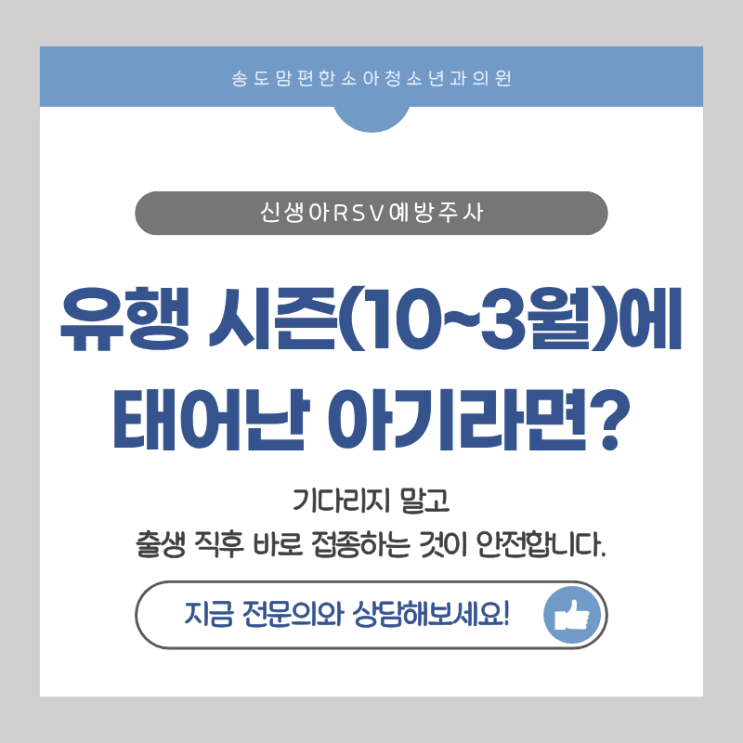
💡What about a baby born during the season? October–November being optimal applies to ‘a baby already born before the season’. A newborn born during the outbreak season is in the middle of the outbreak from the moment of birth, so there is no reason to wait for a particular time. The clinical trials themselves enrolled babies facing their first RSV season, giving the injection either before or during the season. The most accurate approach is to decide the specific injection plan, based on the baby’s birth timing and health status, in consultation with a pediatric specialist. |
RSV injection (Beyfortus, Enflonsia)
Are the side effects acceptable?
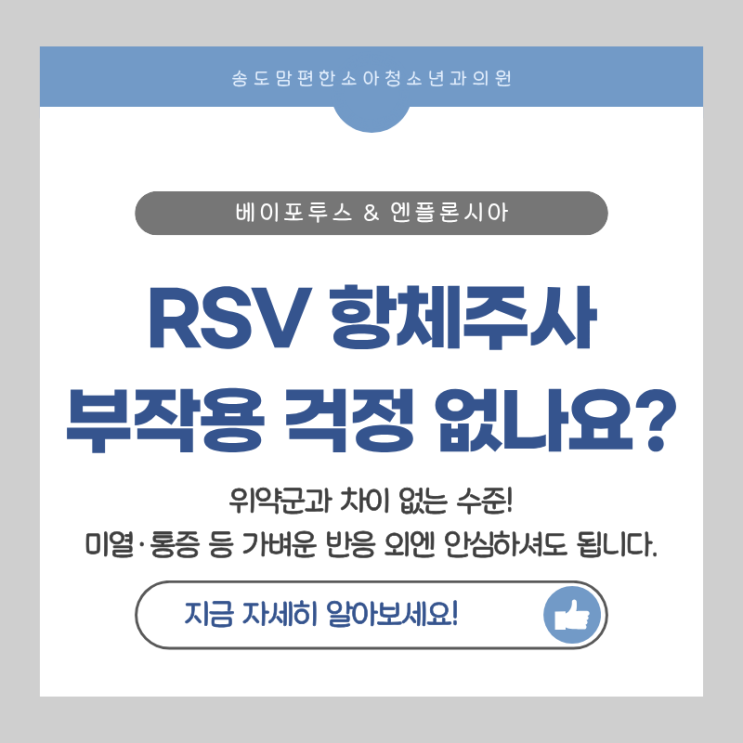
Safety results were reassuring in all three studies.
In MELODY, the rate of adverse events was 87.4% in the injected group and 86.8% in the placebo group, essentially the same (mostly mild reactions), and serious adverse events were similar in both groups (6.8% vs 7.3%).
In HARMONIE, following more than 8,000 participants to day 365 raised no particular safety concerns, and treatment-related adverse events were only 2.1%.
In CLEVER too, the frequency of adverse events with Enflonsia was similar to placebo, and there were no treatment-related deaths or RSV-related deaths. Mild reactions such as injection-site pain or a slight fever can occur, just as with other infant injections.
What these studies mean, and their limits

Taken together, the greatest significance of the three studies is that in more than 13,000 infants, across different countries, settings and drugs, the same conclusion (‘one dose, one season of protection’) was confirmed again and again.
HARMONIE in particular was conducted in a real-world clinical setting rather than a tightly controlled laboratory environment, so it comes closest to the effect that can be expected in everyday practice.
There are limits as well. Korea’s outbreak period generally follows a fairly consistent winter pattern, but its start and scale can shift somewhat from year to year, so it is worth also consulting the Korea Disease Control and Prevention Agency surveillance data each year.
In addition, the three studies differed in their participants and endpoints, so the two drugs cannot be directly compared by placing the numbers side by side (for a detailed discussion of the two drugs, please see the earlier post below).
Closing
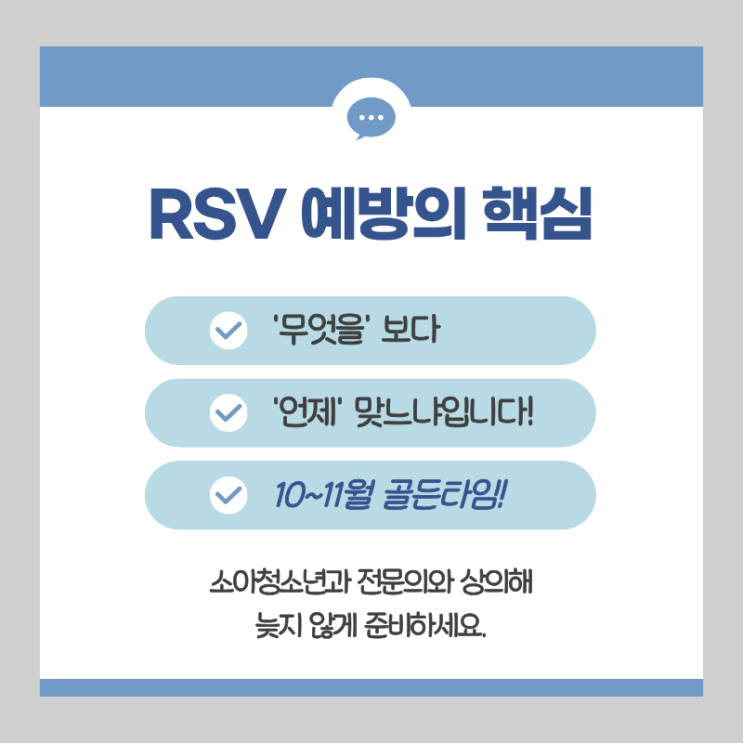
The answer to RSV prevention lies as much in ‘when you get it’ as in ‘what you get’.
Overlaying Korea’s outbreak curve (October–March, peaking in December–January), the protection period of the antibody injection (5–6 months) and the protection that begins immediately after the injection, October–November, just before the outbreak season, is the most sensible time for the injection.
And the crux of that timing is ‘not being late’. The rise in cases at the start of the season is faster than one would expect, and a gap before the injection cannot be filled retroactively.
That said, the optimal plan can differ depending on the baby’s age in months, birth timing and any underlying conditions, so please be sure to consult a pediatric specialist before the actual injection.
🔗 [More on RSV, worth reading together]
Beyfortus and Enflonsia!
If you are curious about the difference in ingredients between the two injections, how the dose is set by body weight,
and a detailed comparison of the clinical data,
▽ please have a look at the post below as well!
👉 [Our Baby’s RSV Injection: What Is the Difference Between Beyfortus and Enflonsia?]
RSV Injection Reservations & Consultation

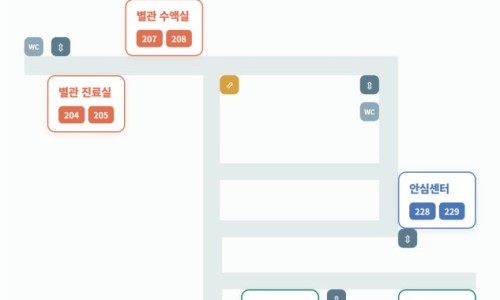
SONGDO ANSHIN Ansim Center
For the RSV injection, securing supply early and discussing the schedule before the outbreak season are important. If you have any questions or would like to make a reservation, please refer to the information below and we will be glad to help.
📅 Change to the injection reservation method from October 1
-
Visit reservations from October 1: Naver Booking lets you simply choose the date and time you want.
-
Same-day registration: for a same-day visit and registration, please use the Ddocdoc app. (October reservations you have already completed remain valid and do not need to be cancelled.)
👉 [Go to Naver Booking]
👉 [Go to Ddocdoc same-day registration]
💬 KakaoTalk channel consultation
Real-time consultation and injection-related inquiries are available during clinic hours.
📞 Phone inquiries: 032-851-1365
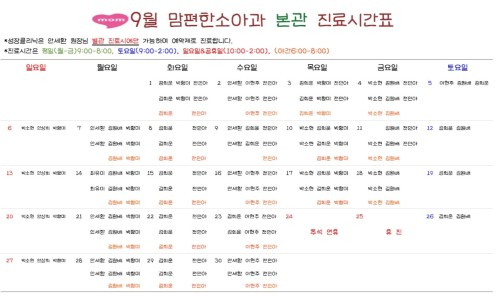
(Consultation hours: weekdays 09:00 ~ 20:00 / Saturday 09:00 ~ 14:00 / Sunday and public holidays 10:00 ~ 14:00)
📍 Location: 2F, Building 204, Landmark City Central The Sharp officetel mall, 68 Landmark-ro, Yeonsu-gu, Incheon
(SONGDO ANSHIN Ansim Center)
Reference papers
• Hammitt LL, et al. Nirsevimab for Prevention of RSV in Healthy Late-Preterm and Term Infants (MELODY). N Engl J Med 2022;386:837-846.
• Drysdale SB, et al. Nirsevimab for Prevention of Hospitalizations Due to RSV in Infants (HARMONIE). N Engl J Med 2023;389:2425-2435.
• Zar HJ, et al. Clesrovimab for Prevention of RSV Disease in Healthy Infants (CLEVER). N Engl J Med 2025.
• Korea Disease Control and Prevention Agency. Development of a forecasting model for the winter epidemic scale of respiratory syncytial virus in Korea. Public Health Weekly Report (PHWR) 2025;18(21), and RSV infection sentinel surveillance press reference material (December 2024).
SONGDO ANSHIN
※ This article explains academic research in plain language for a general audience and does not replace medical advice.
💡 [Coming next week: a guide to the adult RSV vaccine (Arexvy)]
As we move into mid-September the mornings and evenings have turned quite chilly! With the day-to-night temperature swing widening, inquiries about the “RSV injection (Arexvy)” from parents and adults aged 50 and over have risen sharply.
In next week’s post we will put together a thorough guide to [Arexvy], the RSV vaccine for adults: exactly who should get it, its medical protective effect, and how to check the price!
Check it in advance and get your parents’ and your own respiratory health ready for this winter!
