
Can You Catch Influenza B After Influenza A? Influenza B Symptoms, Treatments and Indemnity Insurance Cautions, All in One Place
Hello. This is SONGDO ANSHIN, located in Songdo District 8.
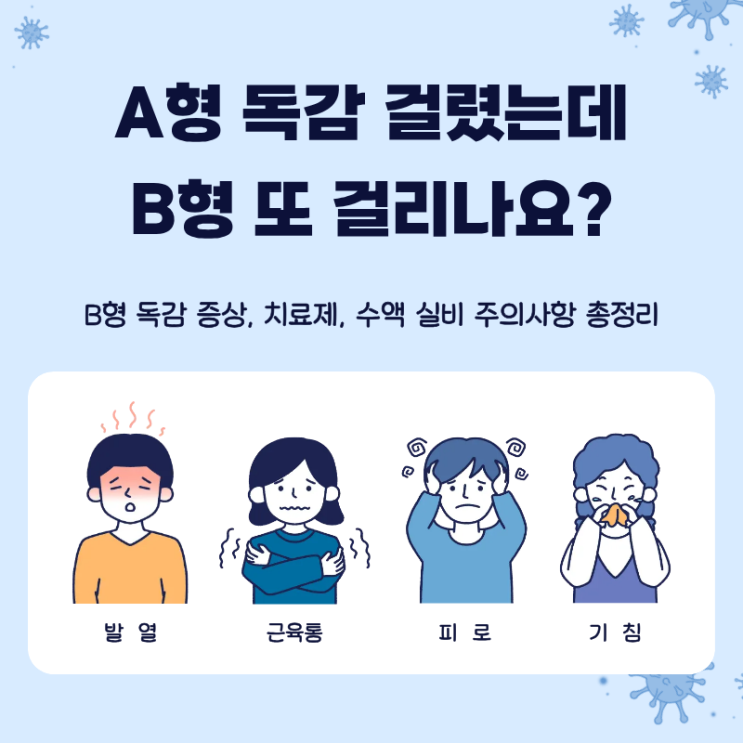
With the second semester under way and group life back in full swing, influenza A still accounts for most of the patients in our consultation room, while children and adolescents diagnosed with influenza B are now also coming in from time to time.
There are a few questions parents ask us most often in the consultation room.
My child already had influenza A. Can they catch influenza B as well?
There is no cough, only a stomach ache. Could this still be the flu?
If we get the flu vaccination that is starting soon, does it also prevent influenza B?

Today we will clearly go through everything parents are most curious about, from whether influenza A and influenza B can reinfect a child to the symptoms unique to influenza B, the treatments (Tamiflu vs IV compared) and the points to watch when filing an indemnity insurance claim, all in one place.
|
📌 [Influenza B: key summary]
|
You thought it was a cold or gastroenteritis? The 3 typical symptoms of influenza B

Compared with influenza A, the influenza B virus may bring a very high fever of 39°C or above somewhat less often, but a major characteristic is that, beyond the respiratory tract, it prominently causes gastrointestinal and muscular symptoms.
1️⃣ Gastrointestinal symptoms (vomiting, abdominal pain, diarrhea)
Vomiting, nausea and severe abdominal pain often appear before typical respiratory symptoms such as cough or runny nose, which makes it easy to mistake the illness for simple gastroenteritis or food poisoning.
2️⃣ Severe muscle pain and leg pain
Along with an all-over achy feeling, children often complain of severe muscle pain in the calves or legs and find it hard to walk.
3️⃣ Lingering fever and fatigue
A fever of around 38–39°C rises and falls, accompanied by severe fatigue and a child who looks drained and listless.
👉 If a sudden fever comes together with abdominal pain or severe leg muscle pain, keep influenza B in mind and visit a pediatric clinic promptly for testing.
Influenza A vs influenza B: key comparison

|
Category |
Influenza A |
Influenza B |
|
Main features |
Very high fever of 39–40°C, chills, mainly respiratory symptoms |
Vomiting, abdominal pain, calf muscle pain, lingering low fever |
|
Mutation and transmissibility |
Mutates often and spreads very easily |
Mutates less, but spreads readily in group settings |
|
Treatment |
Antivirals (oral medicine / injection) |
Antivirals (oral medicine / injection) |
Influenza B treatments compared : oral medicine (Tamiflu) vs injection (Peramiflu IV)

For influenza B as well, once it is confirmed, starting antiviral treatment within 48 hours is the golden time for shortening symptoms and preventing complications.
-
Oral medicine (Tamiflu and similar) :Taken twice a day (12 hours apart) for 5 days. Even if symptoms improve, the full 5 days (10 doses in total) must be completed to prevent viral resistance. (If the child vomits within 30 minutes of a dose, another dose may be needed.)
-
Injection (Peramiflu IV) : just one intravenous injection (about 15–30 minutes) completes the treatment. It is useful when frequent vomiting makes oral medicine difficult, or when rapid symptom relief is needed.
💡Guide to indemnity insurance claims
Peramiflu IV treatment is a non-covered item, but when a doctor prescribes it for diagnostic and therapeutic reasons (unable to take oral medicine, severe symptoms and so on) it can be eligible for an indemnity insurance claim. However, whether it is covered and how much is refunded can differ depending on the terms of the policy you hold and when you took it out (1st–4th generation), so we recommend checking the exact details with your own insurer. (Documents needed : an itemized statement of medical expenses, the medical expense receipt and so on.)
Home care and when to come in urgently

-
Fluid replacement : When vomiting or diarrhea is present, dehydration sets in easily. Give lukewarm water or an electrolyte drink a little at a time, often.
-
Isolation and rest : Influenza B is contagious too, so children should stay away from school or daycare until they have gone 24 hours with no fever without taking any fever reducer, and should get plenty of rest.
-
Signs that call for an urgent visit : If severe muscle pain makes walking difficult, or you see signs of dehydration (unable to drink, a sharp drop in urine output), difficulty breathing or a severely drowsy, unresponsive child, come to the clinic without delay.
The questions we hear most in the consultation room Q&A

Q. Can someone who has had influenza A catch influenza B as well?
A. Yes, it is entirely possible. Influenza A and influenza B are completely different subtypes of virus, so recovering from influenza A does not mean immunity to the influenza B virus has been formed. Your child can therefore be infected with influenza B again within the same season.
Q. If we get the flu vaccination, does it prevent influenza B too?
A. Yes, it does help prevent it. Each season’s flu vaccine contains influenza B strains as well as influenza A strains, so it builds immunity against influenza B. Infection is still possible if the circulating strain differs from the vaccine strain, or depending on how well an individual’s immunity develops. But when vaccinated, even a child who does get infected has much milder symptoms and is far better protected against severe complications.

💡[Related reading]
A sudden 40°C fever with no runny nose or cough!
If you are curious about the features of summer-to-autumn influenza A and its treatment golden time, ▽ take a look at the post below as well.
👇 Baby Has No Runny Nose or Cough but a 40°C Fever? Summer Influenza A Symptoms and the Tamiflu Golden Time
Influenza B arriving this early brings many symptoms that make daily life hard, such as vomiting and muscle pain, so rapid diagnosis and early treatment matter more than anything.
At SONGDO ANSHIN, we support a fast recovery with rapid influenza antigen testing and treatment suited to each child (Tamiflu / Peramiflu IV). If you have any questions about symptoms that suggest flu or about your child’s health, please feel free to visit us at any time.
