
Why We Don’t Recommend Growth-Suppression Injections: Answering Questions About Another Clinic’s Diagnosis That Recommended Only Growth Injections for a 12-Year-Old Pubertal Boy

An Sehwan | Director of SONGDO ANSHIN, Pediatric & Adolescent Medicine Specialist
Hello. SONGDO ANSHIN Growth Clinic here.
For parents of children entering puberty, the biggest concern is, without a doubt, ‘final height.’ Especially when, despite consistent growth management at another clinic, they are told “Suppression therapy isn’t an option; only growth injections are possible,” parents may feel anxious, wondering whether their child’s height might end up at a disadvantage.
Today, through an actual consultation case of a 12-year-old boy, Director An Sehwan personally explains why suppression (puberty-delay) injections are not recommended in certain cases, and what the most effective growth strategy is at this stage.
※ This article has been reconstructed based on an actual growth consultation, with personal information de-identified.
Key Summary
|
If bone age is not significantly ahead of chronological age, standalone growth treatment is far more effective for ‘final height’ than suppression therapy. |
|
During the current growth spurt, the most scientific approach is to focus on injections that support growth rather than on hormone suppression, and to reassess growth when bone age reaches 14. |
|
When you’re troubled by another clinic’s opinion, it’s important to find the optimal solution your child truly needs through a ‘2nd Opinion (cross-consultation)’ based on a precise bone-age reading. |
An Actual Growth Consultation Case at Songdo Pediatrics

Q. Question: We’ve been under follow-up observation for two years now, so why are we told that suppression injections aren’t an option?
I’m the guardian of a boy born in 2014 (age 12). Over the past two years, he has had regular follow-up observation at another clinic, and he is currently 152 cm tall and weighs 55 kg. Today’s test results show a bone age of 13.3 years, about one year ahead of his actual age.
Up to now, the clinic has said that suppression therapy is unnecessary and that only growth injection treatment is possible, but since his bone age is advanced, I want to somehow add suppression therapy to make him taller.
If we go to another clinic, would suppression therapy be possible? Would it be effective if we start now?

A. Dr. An’s answer: “The criterion for suppression therapy: it is performed only when there is a ‘height gain.'”
I fully understand parents’ frustration and distress. But as a pediatric and adolescent medicine specialist, I must coolly point out the medical facts.
1️⃣ Why was suppression therapy not recommended?
The reason the previous clinic did not recommend suppression therapy is that the child’s bone age was not significantly advanced compared to his chronological age, so suppression therapy was not warranted.
The purpose of puberty suppression therapy is ‘to prevent the growth plates from closing too quickly.’ When the bone-age gap is not large, it is generally standard not to perform suppression therapy.
2️⃣ What happens if a 12-year-old boy starts suppression therapy now?
For a child who is already over 12 and whose bone age has passed the mid-13s, administering suppression injections now offers little real benefit.
At this stage, rather than adding suppression therapy, staying on growth treatment alone to support growth is far more helpful for the child’s height.
3️⃣ The most effective strategy right now: standalone growth treatment
For now, maintaining standalone growth treatment is the most reasonable choice for the child’s final height. When bone age reaches 14, the growth spurt comes to an end. At that point, changes in the growth plates can be confirmed more precisely.
The most scientific approach is to precisely recalculate the predicted adult height when bone age reaches 14, and to decide at that point whether to add a suppressant or to maximize growth.
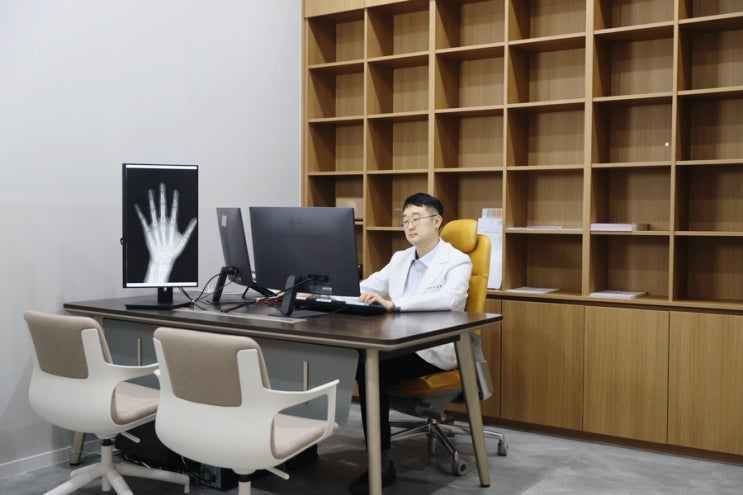
An Sehwan | Director of SONGDO ANSHIN, Pediatric & Adolescent Medicine Specialist
💡 Articles worth reading together
[Growth Consultation Case] When should suppression injections be added during growth hormone treatment?
When signs of puberty (changes in testicular size) appear during growth hormone treatment,
must suppression injections always be added?
Depending on the pace of bone-age progression,
with standalone treatment alone, without suppressants,
there are many cases where height growth can be maximized.
The most efficient timing for combination therapy and the medical criteria for deciding it
▼ check in the article below.

Key Points of Growth Treatment for a 12-Year-Old Boy
-
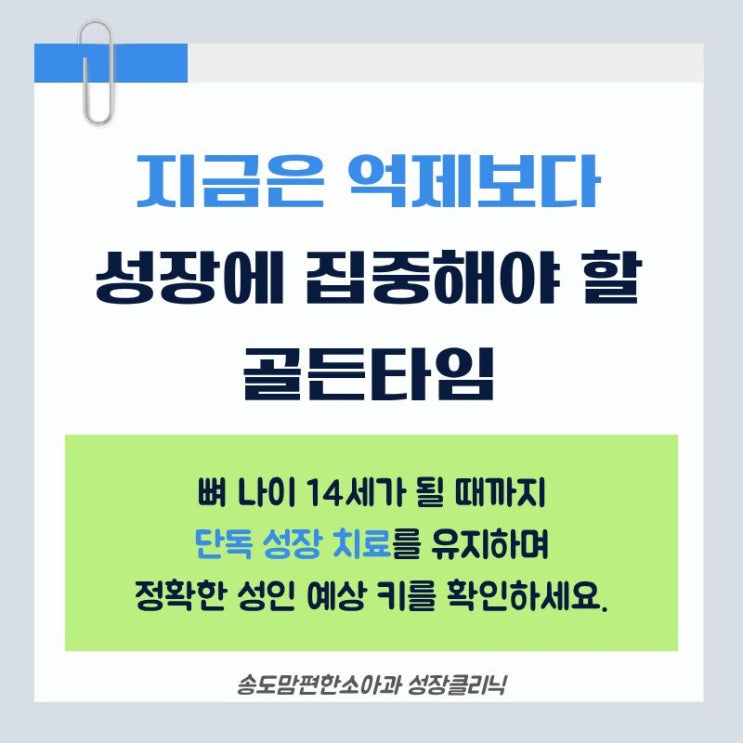
✅ Criterion for suppression therapy: If bone age is not significantly ahead of chronological age, there is no need to suppress hormones.
-
✅ Why growth injections?: At this stage, injections that directly support growth are far more effective in terms of height gain than hormone suppression.
-
✅ Making use of the golden time: During the current growth spurt, the key is to focus on growth rather than blocking hormones, and to re-establish the final strategy when bone age reaches 14.
-
✅ Expert advice: If you’re troubled by another clinic’s opinion, it’s a good idea to get a 2nd Opinion (cross-consultation) based on an accurate bone-age reading and data.
A Word from Songdo Growth Clinic
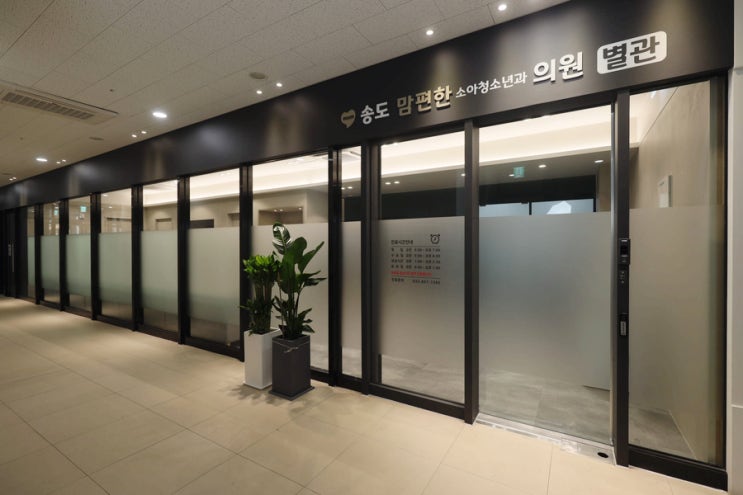
Growth treatment differs in timing and pace for every child. Distinguishing between a child who needs ‘suppression’ and a child who needs ‘growth’ is the role of a specialist.
The same treatment cannot be applied to every child. SONGDO ANSHIN honestly proposes only the optimal growth solution your child truly needs for their current physical age, so that they neither rush ahead too much nor fall behind.
If you’re curious about your child’s current bone age and accurate growth potential, please knock on the door of SONGDO ANSHIN anytime. Through a 2nd Opinion consultation, we will clearly point out the treatment direction your child truly needs.
