
Early Flu Symptoms in Babies and High Fever: Flu vs. COVID-19 in Children and When to Get Tested

Hello, this is SONGDO ANSHIN..
As we move into mid-October, the gap between morning and evening temperatures is widening sharply to more than 10 degrees. During this cold, dry change of seasons, children’s respiratory mucosa becomes more vulnerable, and the number of young patients visiting pediatric clinics in Songdo with coughs and high fevers is rising quickly.
This year in particular, the influenza epidemic advisory was issued much earlier than in previous years, and with COVID-19 and other respiratory viruses spreading at the same time, there are signs of a ‘twindemic’, so we know many parents are understandably worried.
“My child suddenly developed a high fever overnight. Is it the flu or COVID-19?”
“Is a flu test accurate if we get it right after the fever starts?”
For parents who aren’t sure whether to rush to the clinic as soon as a fever starts or to watch a little longer, we have clearly summarized why the flu season started early, the difference between early flu and COVID-19 symptoms in children, the golden time for rapid antigen testing, and what to do at home in an emergency.
|
💡 [Key Summary] Childhood Flu vs. COVID-19 at a Glance ✅ Why the flu came early: The immune debt phenomenon and the dry air of the changing season have weakened the defenses of the respiratory mucosa, bringing the flu season forward. ✅ Differences in early symptoms
✅ Best time to test (golden time): Testing at least 12–24 hours after the fever begins gives the highest accuracy, because there is enough virus in the body by then. |
Why is this year’s flu so early and so severe?
In recent years, masks and hygiene measures meant children had less exposure to viruses, leaving their overall immunity weaker. On top of that, October’s cold air and dry weather dry out the respiratory mucosa, making it easier for viruses to get in.
The virus is spreading especially quickly among children and adolescents in group settings such as daycare centers, kindergartens, and elementary schools.
Early Symptoms: Childhood Flu vs. COVID-19
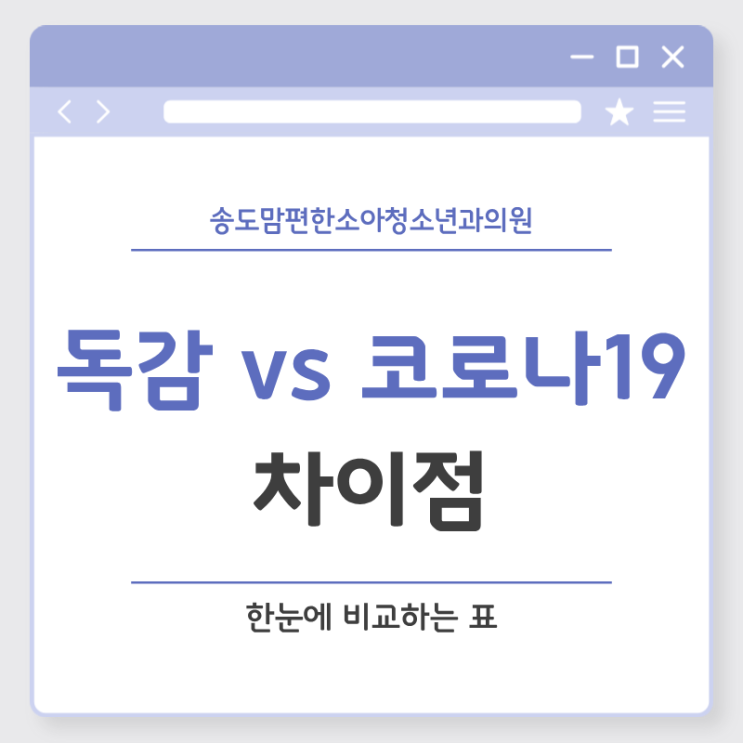
|
Category |
Childhood flu (influenza) |
COVID-19 |
|
Fever pattern |
Sudden high fever (38.5℃–40℃) |
Starts as a mild low-grade fever and rises gradually |
|
Main whole-body symptoms |
Severe chills, muscle aches, headache, marked fatigue |
Sore throat, changes in taste/smell, cough |
|
Characteristic symptoms in children |
May be accompanied by digestive symptoms such as vomiting, diarrhea, and stomachache |
Clear runny nose, sneezing, hoarse voice |
|
Speed of symptom onset |
Very rapid after exposure to the virus |
Progresses gradually after a 2–5 day incubation period |
When is the best time for a flu/COVID-19 rapid antigen test?
If you come in for a test the moment the fever starts, the amount of virus in the body may still be low, and the result may falsely come back ‘negative (not infected)’.
-
Recommended testing time: Visiting at least 12–24 hours after the fever begins gives the most accurate test results.
-
Golden time for treatment: Flu medications (Tamiflu, Peramiflu, etc.) should be started within 48 hours of symptom onset to bring the fever down quickly and help prevent complications.
What to Do at Home When a High Fever Strikes Suddenly at Night
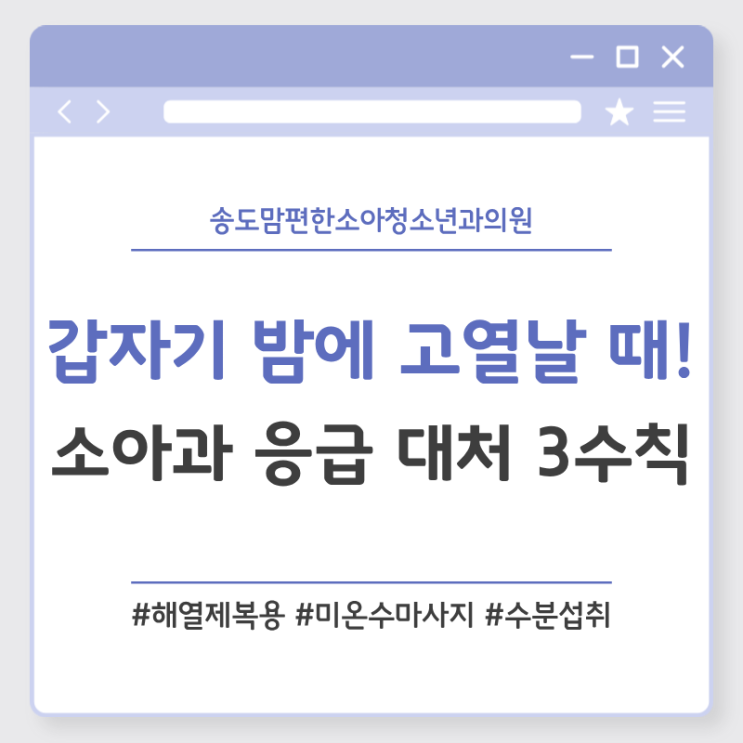
1️⃣ Follow age-appropriate rules for alternating fever reducers
If your child is uncomfortable with a high fever of 38.5℃ or above, give an age-appropriate fever reducer (acetaminophen type / ibuprofen, dexibuprofen type) every 4–6 hours, and if the fever does not come down well, consider alternating between the two at 2-hour intervals.
2️⃣ Cautions for lukewarm sponge baths
While your child is shivering with chills, keep them dressed and warm; once the chills pass and the body feels hot, wipe them down with a lukewarm damp towel.
3️⃣ Focus on fluids
To prevent dehydration from a high fever, have your child take a sip or two of lukewarm water or barley tea frequently.
💡Recommended Reading: Vaccination Guide
“Hasn’t your child had this season’s flu vaccine yet?”
Check out the difference between cell-culture and egg-based vaccines in the post below first!
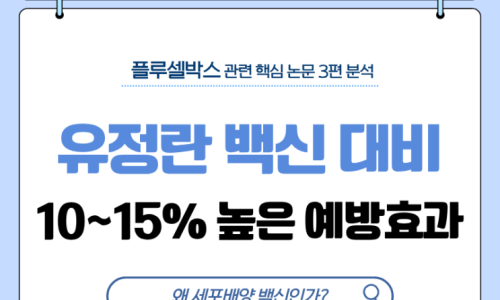
👉 See the difference: Flucelvax cell-culture flu vaccine vs. egg-based vaccine
SONGDO ANSHIN Respiratory Care Information
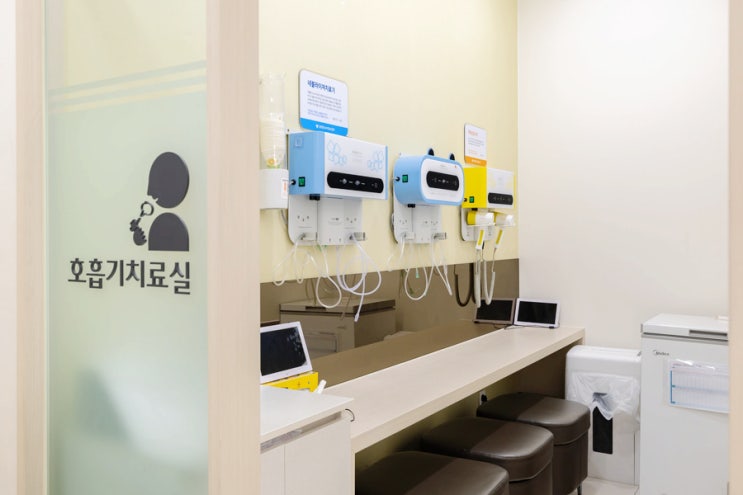
At SONGDO ANSHIN, we offer precise rapid antigen testing for influenza and COVID-19, nebulizer respiratory treatment, and customized IV fluid therapy for children with high fevers.
If your child’s cough is getting worse or they are suffering from a sudden high fever, please don’t put it off. We recommend getting an accurate diagnosis and prescription from a board-certified pediatrician near you.
-
📞 Phone inquiries: 032-851-1365
-
📍 Location: 2nd floor, Commercial Building 203, Landmark City Central The Sharp, 68 Landmark-ro, Yeonsu-gu, Incheon (Main Building clinic)
