
Middle School Height Growth Treatment: Fact-Checking Growth Hormone Injection Effects and Acromegaly Side Effects Right Before Growth Plates Close (Growth Hormone Therapy & Side Effects)
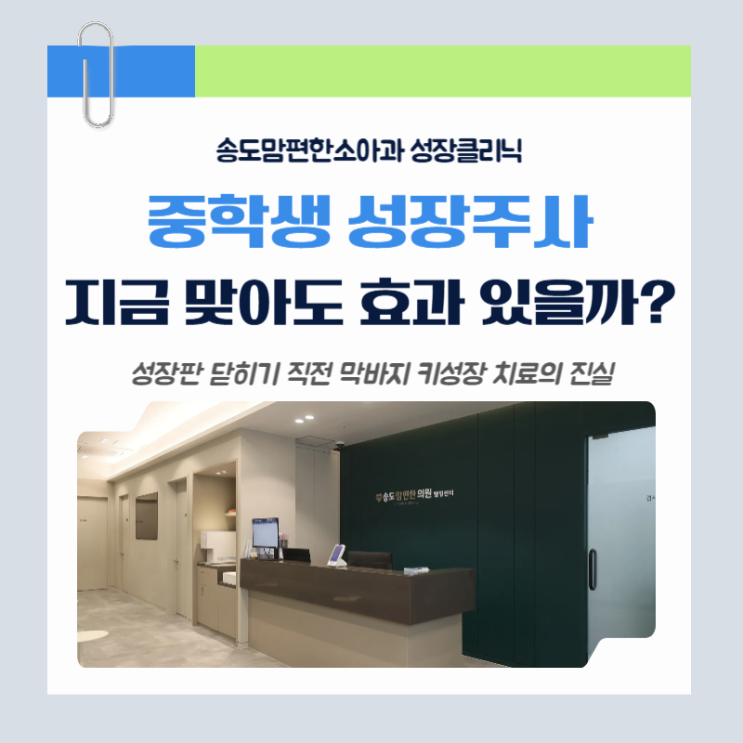
Growth injections for middle schoolers,
Will they still work now?
Hello! This is the SONGDO ANSHIN Growth Clinic speaking.
Unlike precocious puberty management that begins in elementary school, the concerns of middle school parents are even more urgent.
“This really seems to be the last chance,
if we start injections now,
could my child grow even just a little more?”
Today, through an actual consultation case of a middle schooler who has entered the stage where the growth plates are closing because their bone age is almost fully advanced, we will objectively answer the realistic approach to last-stage growth treatment and the side effects parents worry about.
※ This article was reconstructed based on an actual growth consultation with personal information de-identified.
An Actual Growth Consultation Case at Songdo Pediatrics
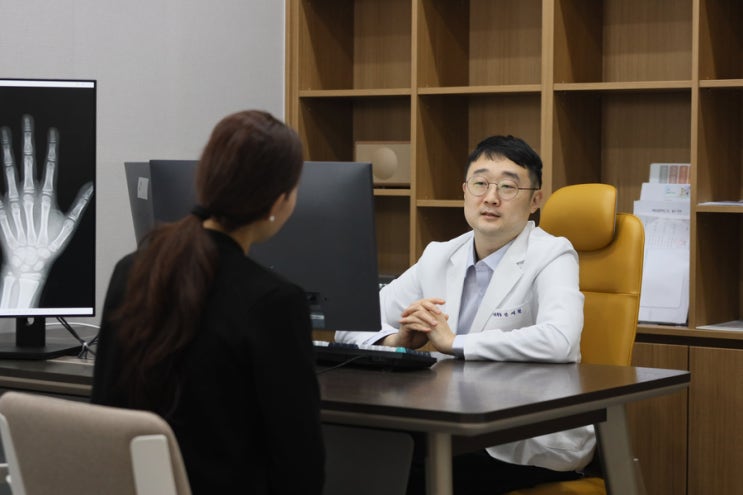
Q. Question: My child’s bone age is 16 and the growth plates are almost closed. Will growth injection treatment still be effective?
I am the guardian of a boy in his third year of middle school. His current height is in the low 170cm range, so he isn’t short, but he has a future career he hopes to pursue, so we are eager for him to grow a bit more.
When tested at another hospital, faint lines still remained in his wrist and knee, and his pelvic Risser stage was diagnosed as stage 3–4. His bone age reading appears to be around 16, and after hearing the opinion that last-stage treatment may be possible, we are currently undergoing detailed testing.
💡Three questions
1️⃣ Now that the bone age has passed 16, will growth hormone injection treatment really be effective?
2️⃣ If we start treatment, how much additional growth can we expect?
3️⃣ I’m worried that getting injections when the bone age is already advanced might cause side effects like acromegaly. Could that happen?
A. Dr. An’s Answer: “A precise approach to confirm the remaining potential is needed.”
To the parents who requested this consultation with such heartfelt eagerness, as a pediatric specialist I answer according to objective and honest medical care standards.
1️⃣ At the very end of the ‘golden time,’ a quick decision matters.
If the Risser stage is 3–4 and the bone age has passed 16, the child has nearly reached the stage where the growth plates close.
Treatment may be attempted, but the window in which the body can still respond to hormones is very short. Depending on the individual, the deadline may be around 6 months to a year, so if you are considering treatment, it is best to undergo detailed testing and decide quickly.
2️⃣ Setting realistic expectations comes first.
Rather than promising dramatic changes, treatment at this stage should be seen as a process of drawing out maximum potential within the range the child can naturally grow.
Rather than being swayed by the definitive figures some present, considering the child’s current hormone secretion and metabolic capacity, the goal should be to find even 1cm more of remaining growth-plate potential that’s what you should aim for.
You should be aware that results may differ depending on the individual’s constitution and lifestyle habits.
3️⃣ Don’t worry too much about acromegaly side effects.
The acromegaly that many parents worry about almost never occurs when treatment is carried out within the normal dosage range and under the monitoring of a specialist. Cases where the hands and feet grow abnormally large from injections alone simply because the bone age is advanced are extremely rare, so you can rest assured and consult with a specialist.
4️⃣ Athletes need extra caution.
If the child aspires to become a professional athlete, you must carefully review in advance whether the medications used during treatment violate any doping-related regulations. Since this student is said to be unrelated to athletics, this point does not need to be considered.
💡Recommended articles to read together
1. Growth Clinic Selection Guide: 5 Criteria for Choosing the Right Hospital for Your Child
Rather than recommending treatment unconditionally, check out SONGDO ANSHIN’s 5 key criteria for honestly assessing your child’s condition.

2. Songdo Growth Clinic Specialization! SONGDO ANSHIN Annex Expansion Grand Opening and Treatment Information
With the introduction of a university-hospital-grade 4-STEP growth system, more comfortable and specialized detailed testing is now possible.

Key Summary
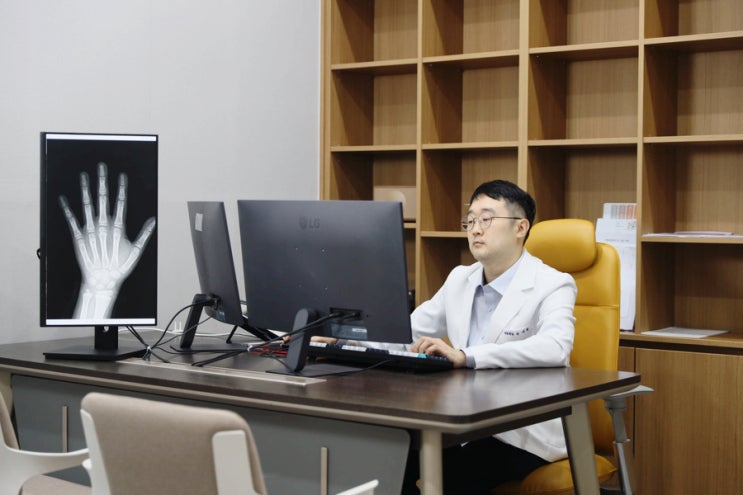
An Sehwan | Director of SONGDO ANSHIN, Pediatric Specialist
-
✅ Treatment feasibility: If faint growth-plate lines remain, treatment can be attempted (prompt testing essential)
-
✅ Realistic goal: Exploring each individual’s optimal additional growth potential rather than guaranteeing definitive figures
-
✅ Side effects: Low risk of acromegaly when conducted under specialist prescription and monitoring
-
✅ Precautions: Skilled specialist interpretation of the Risser stage and bone age is key
A Word from Songdo Pediatrics
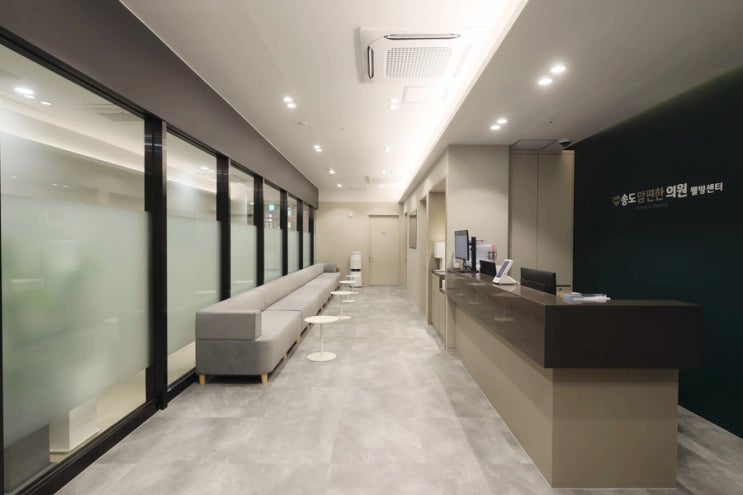
The middle school years, just before the door to growth closes, are a time of heightened psychological tension for both the child and the parents. But rather than clinging to treatment unconditionally, Incheon growth plate testing through which you honestly and calmly assess your child’s current condition should come first.
We will cheer on your child’s growth until the very last moment, and we will counsel you honestly so that you can make the best choice that doesn’t strain your child’s body, without any excessive treatment.